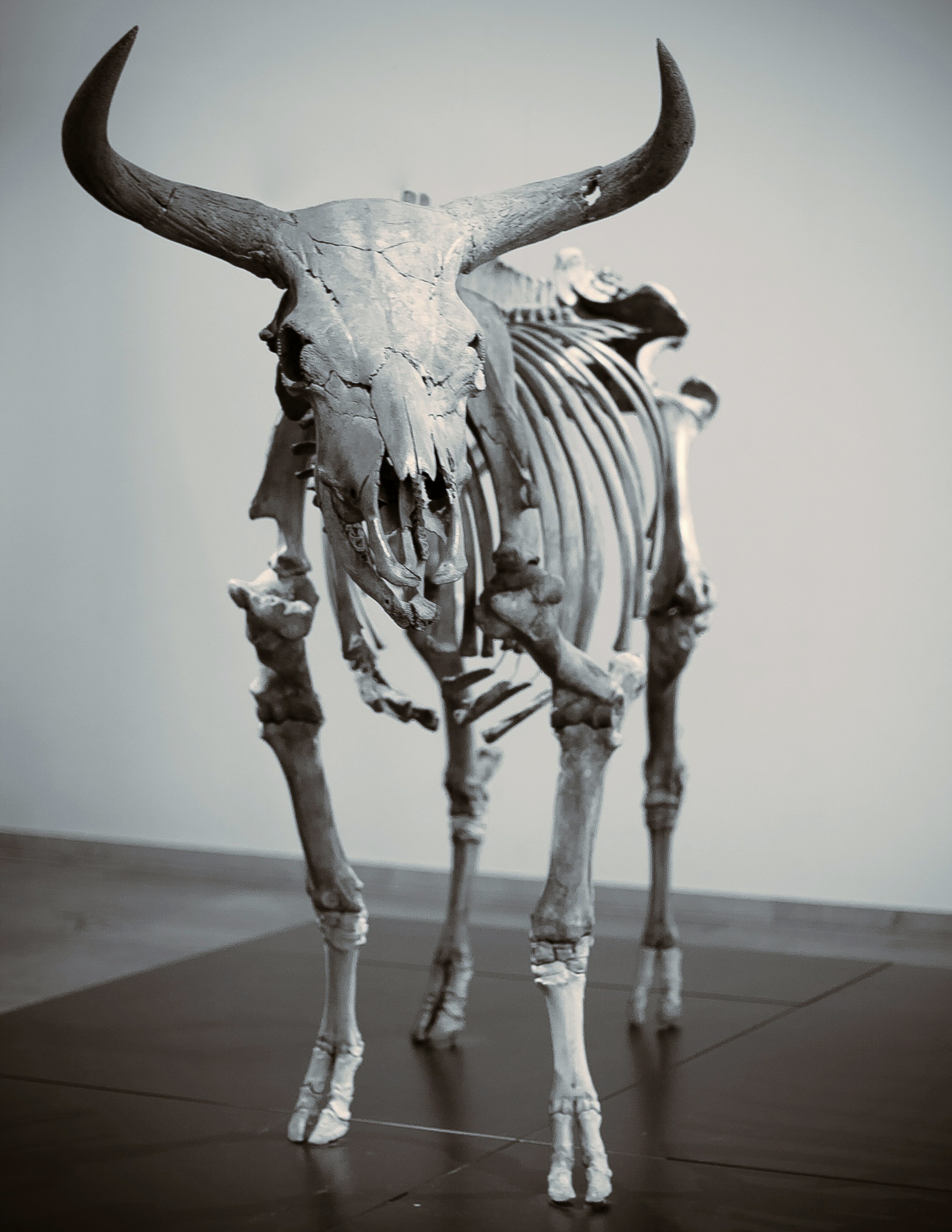




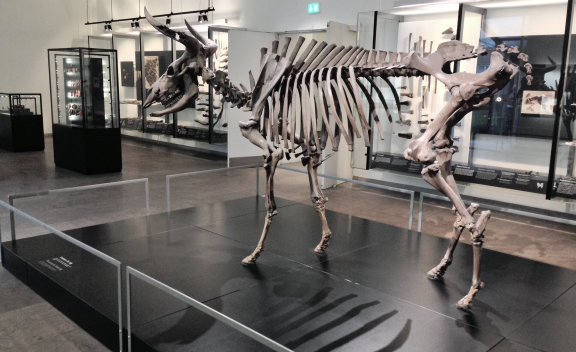
In 1905, the remains of a prehistoric bison were discovered in a swamp in Wiig, Odsherred, while sod was being excavated. This enormous creature weighed nearly 1,000 kilograms and stood at an impressive height of almost 2 meters at its shoulders. It held the distinction of being the largest and most formidable animal in the forest. However, despite its size and strength, the bison fell victim to the arrows of Stone Age hunters.
During the latter stages of the Ice Age, bison roamed and grazed in Denmark. Unfortunately, as the sea level rose, they vanished once more from the region. The bison from Vig met their end over 10,000 years ago. On the islands of Zealand and Funen, the auroch, another large bovine species, became extinct between 7,000 to 7,500 years ago, while in Jutland, it managed to survive until the early Iron Age.
The bison species has a long history, with evidence of its existence dating back more than a million years. During the Stone Age, bison were widespread in various parts of Europe, Asia, and coastal regions of North Africa. However, today, these magnificent creatures are no longer in existence, having been driven to extinction by human activities. The last European auroch met its demise in Poland in 1627.