



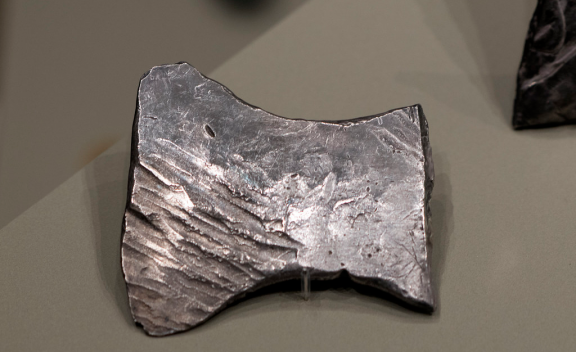
The Ballina Treasure is a notable archaeological find consisting of Roman silver artifacts discovered in 1940 in a gravel pit located in Ballina, County Limerick, Ireland. This collection includes fragments from three Roman silver vessels and four Roman silver double-headed ingots, with three of these ingots bearing inscriptions. The treasure has been dated to the late 4th or early 5th century AD.
The presence of Roman silver artifacts in Ireland has sparked various speculations regarding how they ended up there. Some hypotheses include:
1. Booty from an Irish raid on Britain: It's possible that Irish raiders ventured into Britain and acquired these Roman silver items as plunder during their raids.
2. Payment from Rome to Irish chiefs: Another theory suggests that these artifacts could have been part of a Roman payment to an Irish chief in exchange for maintaining peace or providing some form of cooperation.
3. Payment or donation to Irish mercenaries: There's also the possibility that the Roman silver was used to compensate Irish mercenaries or federates (allied troops) who served the Roman Empire.
The exact circumstances surrounding the deposition of this treasure in Ballina remain unclear, and it continues to be a subject of historical and archaeological interest. The find does underscore the complex interactions between different regions and peoples during the late Roman period.