



Towards the close of the 8th century, Scandinavian urban centers experienced overpopulation issues, leading to a fresh wave of European expansion. The Vikings embarked on voyages to the British Isles, initiating their incursions into England in 793 AD.
Within a span of two years, Viking presence extended to Ireland. Around 795 AD, they reached Raithlin Island in Antrim and Lambay Island near Dublin. They wasted no time, launching devastating attacks on monasteries at Iona, Inisbofin, and Inismurray during the same year.
Despite their frequent raids, the Vikings never established a long-term presence in Ireland. They did not assemble a conventional army for this purpose; instead, Viking forces arrived in small, independent groups, swiftly raiding new territories before vanishing into the sea. Historical records reveal that Vikings rarely ventured more than 20 miles inland, demonstrating a preference for coastal targets.
This strategic approach yielded success, but some Viking groups did face defeats. In 811 AD, the Ulaid successfully repelled Viking invaders, while in 812 AD, Locha Leinand, the King of Eoganacht, and the Umail men also emerged victorious in battles. However, these setbacks did not deter the Vikings, as they grew more audacious in their attacks, launching three raids on the city of Armagh in 832 AD.
Viking Settlements
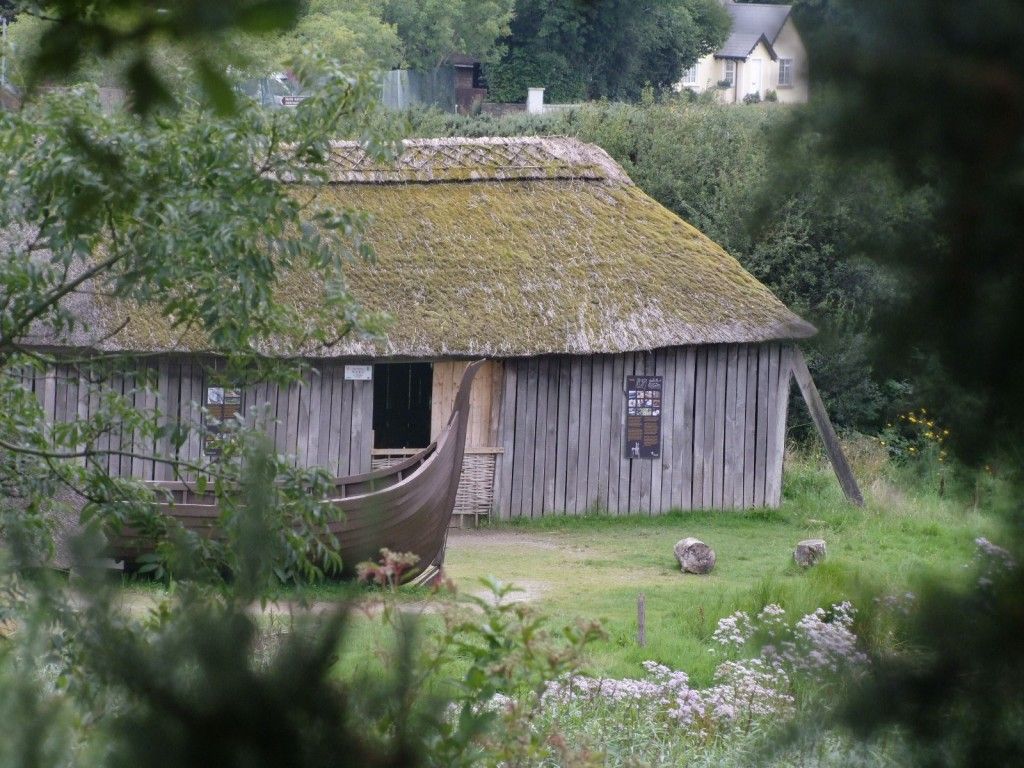
That’s how vikings set foot on the land of Ireland. In 840AD and 841AD they created first settlements at Lough Neagh. With time they refused the raid tactics and started to sail to Ireland in order to arrange life there. They founded other colonies at Cork, Dublin (Dubhilnn) and Waterford (Vadrefjord).
Vikings raided monasteries and murdered the inhabitants but their behaviour wasn’t too much different to that of native Irish tribes. Historical writings say that the Vikings and Irish could cooperate. By 844AD, the Vikings had founded a base at Lough Ree. From that point they could swiftly attack the nearby countryside. But even these raids were not without incidents. According to the annals, Turgesius (Viking leader), was drowned by Mael Sechnaill, king of the Ui Neill.
The Vikings' Mistake
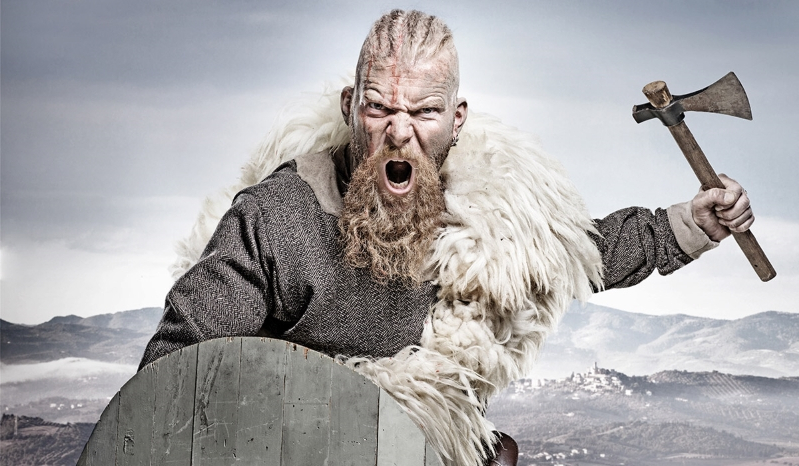
But establishing a foothold in Ireland was a mistake of the Vikings. They became more vulnerable. Now Irish kings knew where they could find them. Vikings weren’t the envisible enemy anymore. Thus, the Viking settlement at Cork was completely destroyed and Mael Sechnaill attacked and pillaged Dublin in 849AD.
From the other side, Danish warriors attacked Ireland. They also threatened the Viking settlements. Vikings didn’t had another choice but to create alliances with Irish tribes. The situation became more ominous when in 860AD was destroyed Waterford, in 866AD all Vikings’ longports at the North of Ireland were burnt and in 902AD Cerball mac Muirecain of Leinster and Mael Finnia mac Flannacain of Brega joined together to make the Vikings leave Dublin.
Second Viking Age
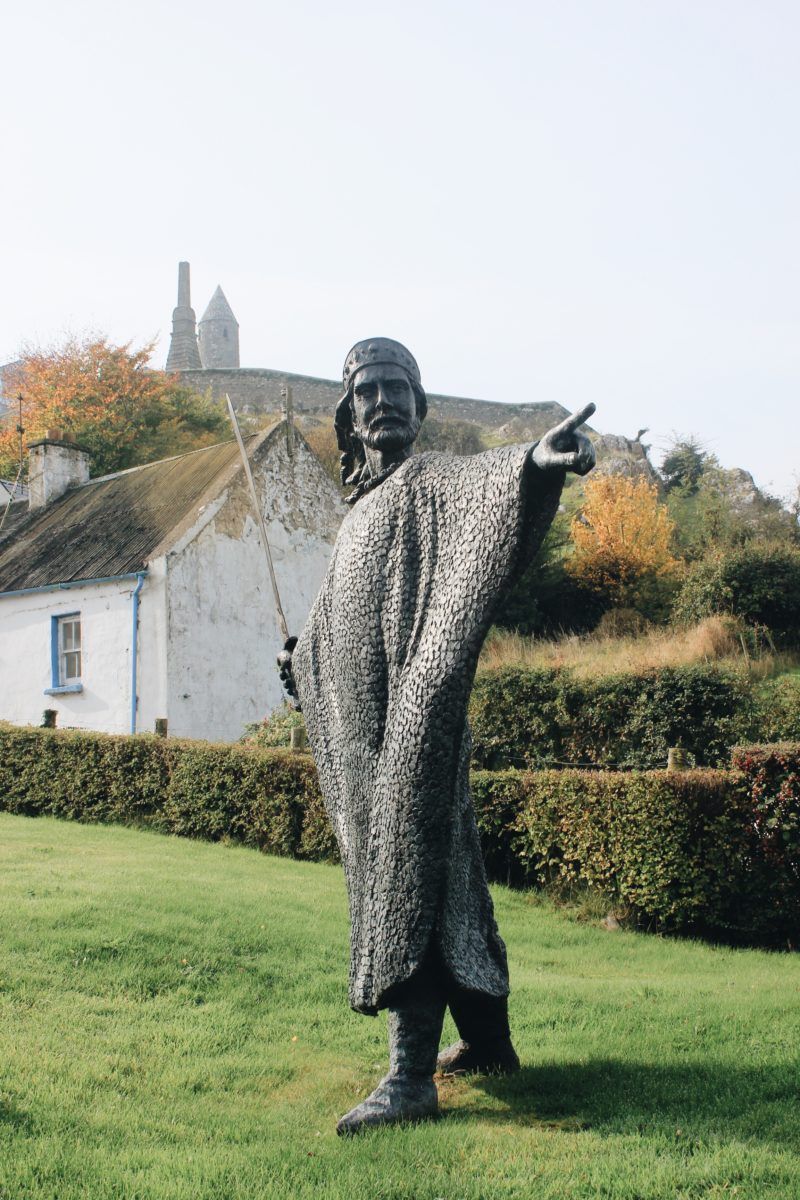
The Vikings had to leave Ireland but they didn’t stop to sail the Irish sea and in 914AD they returned to Waterford Harbour. Less than for one decade thay renewed the settlements in Cork, Waterford, Dublin, Limerick and Wexford. They tried to expand their territories but numerous and more powerful Irish tribes didn’t allow to do this.
At the end of 10th century, one of the Vikings’ leaders Brian Boru became the great leader and in 1002AD he was the the High King of Ireland. But in 1014AD, in the Battle of Clontarf, he was killed. This time is considered to be the end of the Viking wars.
Conclusion
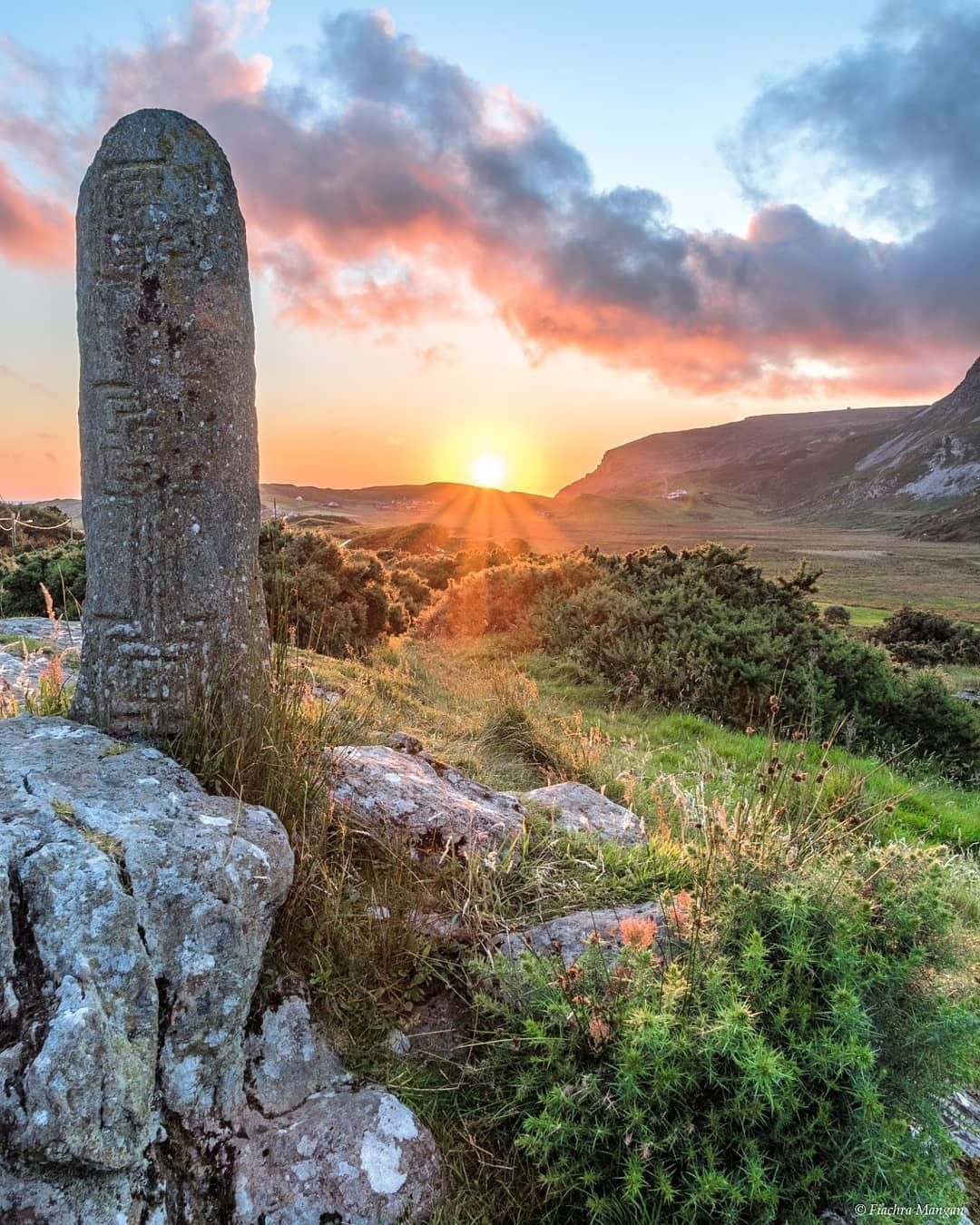
Since that time Viking page in the history of Ireland was closed forever but that period of time influenced the life of Irish. The Vikings made an indelible mark on Irish history by establishing towns at Dublin, Cork and Waterford. Vikings developed in the creation of weaponry, jewellery, ship building as well as the development of new battle tactics. Many of them adopted Christianity and intermarriaged with native inhabitans. As the result, the Vikings that remained in Ireland became assimilated into Irish culture while the Norse culture became the part of Irish life.