





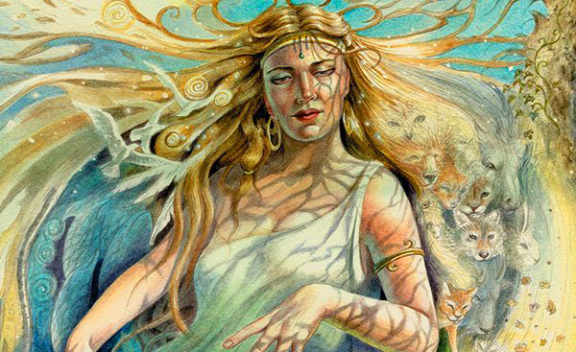
Fjörgynn (pronounced roughly as "FIOR-gen") and Fjörgyn (pronounced similarly) are indeed a somewhat obscure divine pair in Norse mythology. References to them in Old Norse literature are limited, and they do not play active roles in the surviving mythological tales. Therefore, our understanding of them is primarily derived from passing references and comparative studies in the field of Norse mythology.
Fjörgyn is sometimes associated with being the mother of Thor, although there is some variation in the sources. In some accounts, Thor's mother is identified as Fjörgyn, while in others, she is referred to as Jord. The term "Jord" (Old Norse "Jörð") translates to "Earth" in Old Norse, and it is commonly used in Old Norse poetry to signify the earth in a general sense.
Given the similarities in meaning between Fjörgyn and Jord, it is possible that these names are either identical or closely related, referring to the same concept—the personification of the Earth. This dual naming of Thor's mother may reflect different regional or poetic traditions within Norse mythology.
Overall, Fjörgynn and Fjörgyn are intriguing figures in Norse mythology, but due to the limited references and the ambiguity surrounding their roles and identities, they remain somewhat enigmatic within the Norse pantheon.
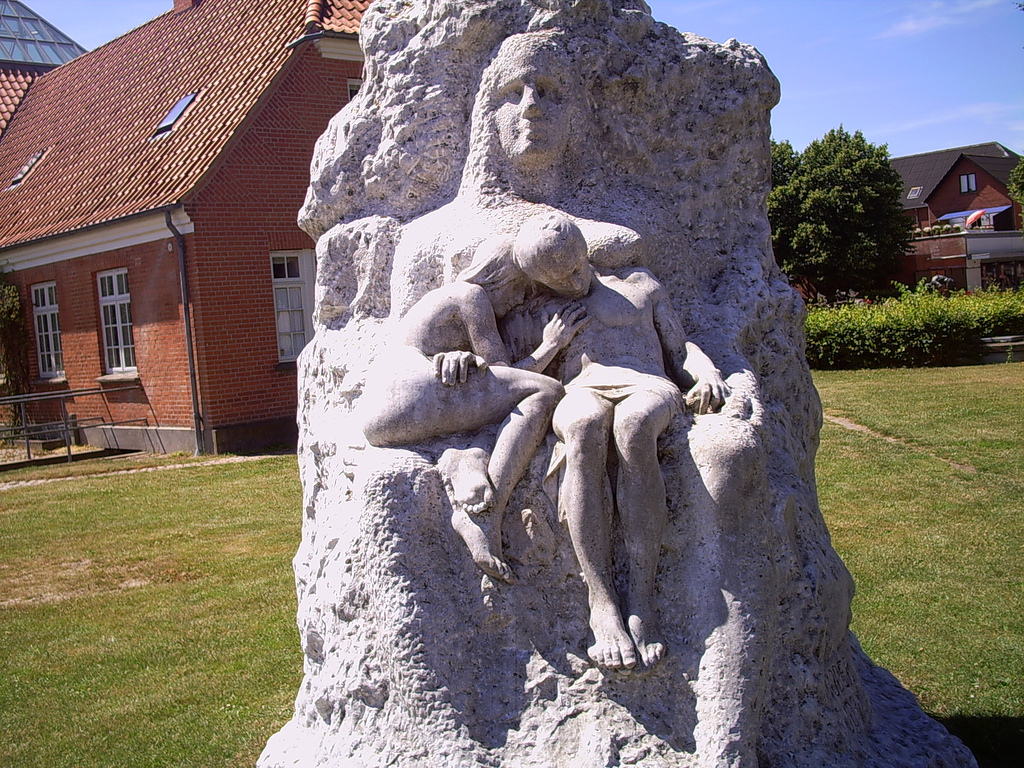
While the etymology (linguistic origin) of the words “Fjorgyn” and “Fjorgynn” is unknown, many scholars have proposed that the former could be related to Old English fruh, Old High German furuh, and Latin porca, all of which mean “furrow” or “ridge.” This in turn suggests a connection to an Old English prayer to an Erce, eorþan modor (“Erce, mother of earth”), which was recited when the plow cut the first furrow of the growing season, and milk, honey, flour, and water were poured into the soil. All of this indicates that Fjorgyn was extension of the “earth mother goddess” type that was so prevalent throughout the ancient Germanic (and wider Indo-European) world.
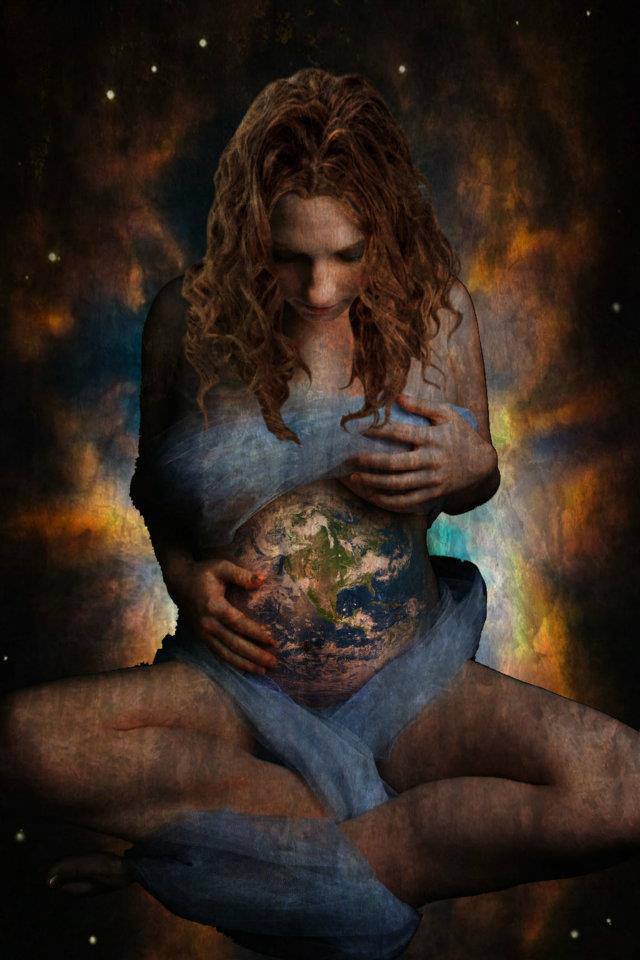
And what about the male Fjorgynn?
References to him in Old Norse literature are even sparser than those to his female counterpart. In the Lokasenna, one of the poems in the Poetic Edda, the goddess Frigg is called Fjörgyns mær. This phrase can be literally translated as “Fjorgynn’s maiden,” which could mean either “Fjorgynn’s daughter” or “Fjorgynn’s mistress.” The medieval Icelandic historian Snorri Sturluson claimed that Frigg was Fjorgynn’s daughter, but Snorri can’t be taken at face value. The passage in the Lokasenna has Loki taunting Frigg over her infidelity and promiscuity, and in that context, mær can hardly mean anything but “mistress.”

So this passage tells us nothing about Fjorgynn except that he slept with Frigg. Of course, few if any of the Norse gods and goddesses have been noted for their chastity or fidelity, so this passage tells us essentially nothing about Fjorgynn.
Unfortunately, those two throwaway mentions are Fjorgynn’s only appearances in Old Norse literature. To gain any insight into Fjorgynn’s character, then, we have to turn to another kind of source: comparative religion.
The thunder god of the Slavs and Balts of Eastern Europe, who was called Perun (“Striker”) or Perkunas, was essentially identical to Thor in his attributes and role within the Slavic and Baltic pantheons and mythologies. There are also many areas of overlap between those deities and the Hindu storm god Parjanya. Such correspondences are relatively common amongst the various branches of the Indo-European peoples, which include the ancient Slavs, Balts, Norse, and Indians (India’s Indians, not American Indians, of course).

This makes it all the more intriguing that the names “Fjorgynn,” “Perkunas,” and “Parjanya” all seem to derive from the same Proto-Indo-European word. If you reverse the sound shifts that eventually differentiated the Germanic, Baltic, and Sanskrit languages from the Proto-Indo-European language thousands of years ago, you end up with something like *Perkwunos. In the Proto-Indo-European religion, *Perkwunos was likely a prominent god of the sky, storm, and rain. Since the Proto-Indo-European language and religion are unattested, there are no written documents that could explicitly confirm this, but the functional and linguistic similarities here are simply too close to be coincidences.
If Fjörgynn corresponds to the Lithuanian Perkunas/Slavic Perun/Indian Parjanya, and if Fjörgyn means “earth,” then Fjorgynn and Fjorgyn would be a pair that corresponds exactly to Thor and his wife Sif and to the wider Indo-European hieros gamos or divine marriage between a sky god and an earth goddess. Thus, Fjorgynn and Thor are effectively identical, as are Fjorgyn, Jord, and Sif. Here we have a replication of a deep-seated concept rather than a set of storybook-like discrete deities. It’s by no means straightforwardly clear how this constellation of related conceptions gave rise to the almost identical names Fjorgynn and Fjorgyn, but it seems likely that this feature, too, goes back to the Proto-Indo-European period, given the similarity of the Norse fjörgyn and Latin porca.