



Metal detectors in Europe have been yielding various treasures, from Viking silver to Roman bronze, and now a new discovery has made headlines. A custodian at Warquorth Anglican Church Elementary School in Northumberland, England, used his own metal detector to uncover a cache of medieval silver coins buried under the school playground.
This remarkable discovery occurred in the village of Warquorth, where the school is located next to a well-preserved medieval castle that once belonged to the influential noble family, the House of Percy.
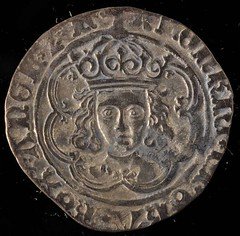
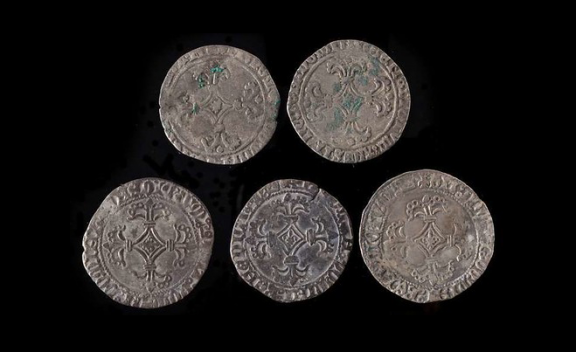
The caretaker found the collection of silver coins on the playground and sought permission to investigate further. The hoard was subsequently declared a treasure trove and was appraised and confirmed by the British Museum. The stash comprises 128 silver coins that were minted during the 15th and early 16th centuries, a period that marked England's transition from the Middle Ages to the Renaissance. Among these coins are groat and half-groat coins from the reigns of Kings Edward IV and Henry VII. Additionally, there are nine coins from the 1460s linked to Charles the Bold, Duke of Burgundy. In total, the collection is valued at £11,000, which is nearly $15,000.
Interestingly, the British Museum declined to purchase the silver currency. Instead, an agreement was reached between the caretaker of the elementary school and the landowner, the Diocese of Newcastle, to share the treasure. This discovery not only holds historical significance but also showcases the potential for such unexpected finds even in everyday settings like a school playground.