





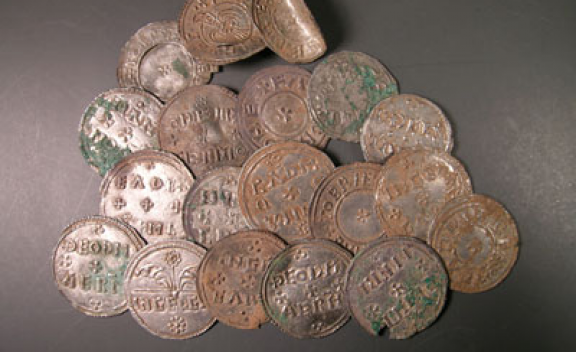
The Furness Treasure is a notable hoard of Viking silver coins and artifacts dating from the 9th and 10th centuries. It was discovered in Furness, Cumbria, England, in May 2011 by an anonymous metal detectorist. The exact location of the find, as well as the names of the finder and landowner, were not publicly disclosed.
This treasure comprises 92 silver coins, including two Arab dirhams, several silver bars, and a single silver bracelet. Based on its context and dating, it is believed that the hoard was buried around the year 955 AD.
The discovery of the Furness Treasure is significant because it is the largest Viking hoard ever found in the Furness area. It also holds historical importance as it serves as a "missing link" by providing substantial archaeological evidence of Viking presence in the region. While the influence of the Vikings on place names in the area, such as Mound, Jarlside, Roa Island, and Ormsgill, has long been recognized, the Furness Treasure adds further tangible evidence of their residence and activities.
Since its discovery, the Furness Treasure has been kept at the Dock Museum in Barrow-in-Furness. The museum has expressed its intention to acquire the treasure once it has been appraised by the Treasure Appraisal Committee. This hoard not only sheds light on the history of Viking settlement and activity in the region but also contributes to our understanding of Viking trade and interactions during the early medieval period.