

The Vikings showcased their strength, affluence, ingenuity, and expertise in various ways, with one of these being their fashion choices. The Viking Age witnessed a continuous evolution in clothing and jewelry styles, with variations based on gender, age, and social or economic status. Men typically sported tunics paired with trousers, while women commonly wore strap dresses over undergarments. The elite classes flaunted imported jewelry, fabrics, and furs from distant lands like the Byzantine Empire, acquired through extensive European trade networks. These opulent possessions served as symbols of power, wealth, and prestige.
The majority of people, however, wore attire fashioned from locally sourced materials like wool and linen, skillfully woven by women using indigenous resources. The remarkable craftsmanship of Viking culture manifested in various everyday items, such as brooches, showcasing intricate details and revealing the substantial time and labor invested in their creation.
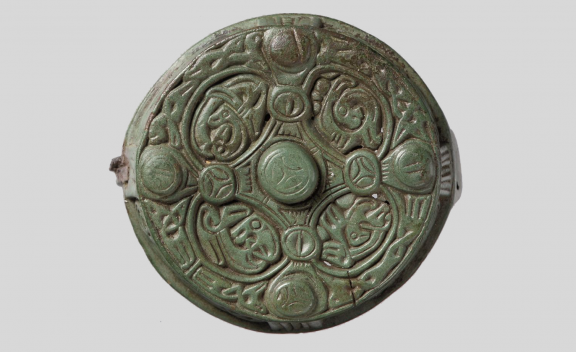
Viking women used brooches to secure their tunics, with various styles available, including animal head brooches, which were worn in pairs to fasten tunic straps, typically placed on either side of the collarbone. Additionally, there were brooch boxes, worn beneath the chin to secure cloaks or shawls and sometimes complemented by a matching pair of brooches. These box-shaped brooches often featured a hollow design with a large round hole at the back, making them practical for storing small items. Many of these brooches exhibit significant wear, suggesting they were handed down through generations and used extensively. Box-type brooches are frequently discovered on Gotland, an island situated off the coast of Sweden.
Gotland, a substantial island in the Baltic Sea located approximately 50 miles east of mainland Sweden, boasts numerous coastal settlements dating back to the Viking Age. These settlements began as small villages and eventually grew into bustling cities, transforming Gotland into a prominent stopover point for merchant ships. Archaeological excavations have unearthed foreign artifacts on the island, highlighting its role as a vital trade hub during the Viking era. Coins, treasures, and various remnants of Viking culture have been unearthed in abundance on Gotland, underlining its significance during this period.
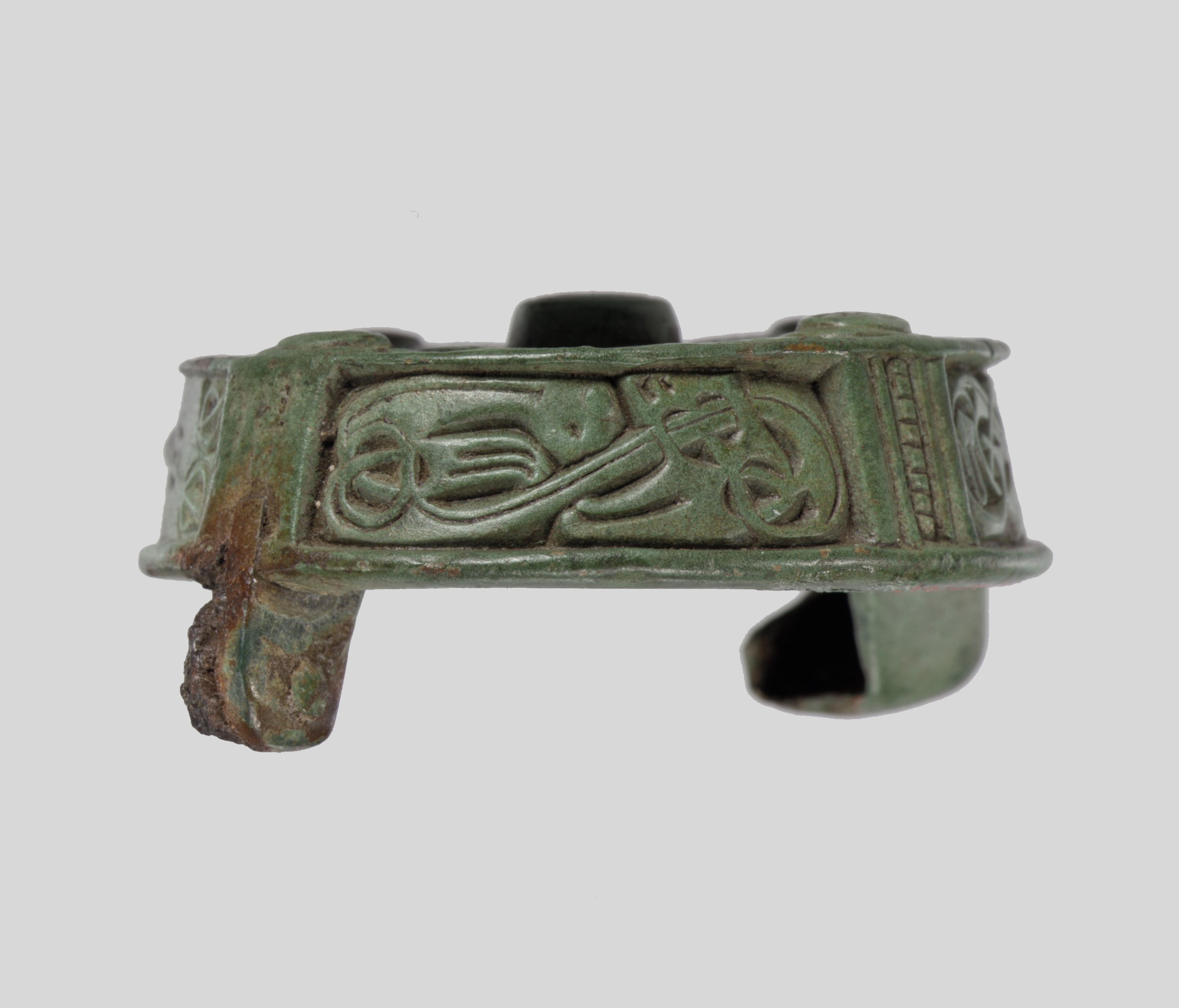
The specific brooch in question, shaped like a rounded box, was discovered on Gotland and is believed to date back to the early Viking period, spanning the 8th to 9th centuries. Crafted from copper alloy, it boasts a diameter of approximately 5.2 cm. Its design features a multitude of animals with elongated limbs intricately intertwined with one another. This rounded box brooch is now housed in the Metropolitan Museum of Art. Its top and sides are divided into four sections adorned with depictions of various animals, including birds and cats, characterized by round eyes, open jaws, and clawed paws. These creatures exhibit incredibly elongated bodies, limbs, and paws, representing the traditional "grasping beast" style typical of the Viking Age.