


In Norse mythology, gods and goddesses typically belong to one of two factions: the Aesir and the Vanir. In most Norse tales, deities from both groups coexist harmoniously, making it challenging to establish clear distinctions between them. However, there was a time when such harmony did not prevail.
The Conflict of the Gods
The Vanir goddess Freya was renowned as the foremost practitioner of seidr, an incredibly potent form of magic. Similar to historical seidr practitioners, she roamed from town to town, offering her magical services for hire.
Under the alias Heiðr, meaning "Bright," she eventually arrived in Asgard, the realm of the Aesir. The Aesir were greatly impressed by her magical abilities and eagerly sought her services. However, it didn't take long for them to realize that their values of honor, familial loyalty, and adherence to the law were being overshadowed by their selfish desires, which they attempted to fulfill using the witch's magic. Blaming Freya for their own moral decline, the Aesir called her "Gullveig," which translates to "Gold-greed," and tried to kill her. They attempted to burn her three times, but each time, she emerged reborn from the ashes.
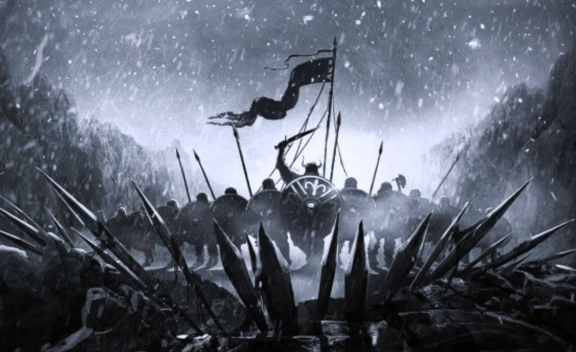
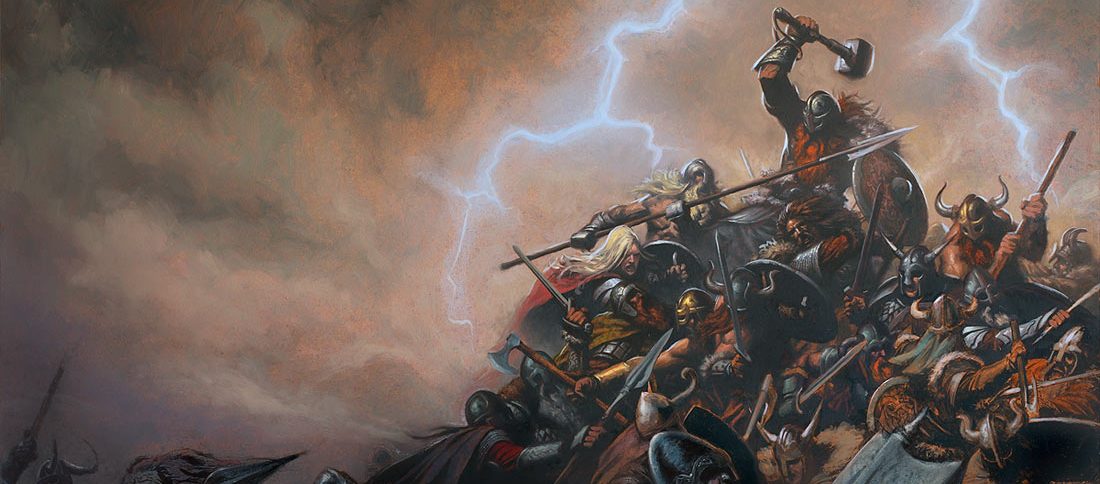
As a result of these events, animosity and fear grew between the Aesir and Vanir, eventually escalating into a full-scale war. The Aesir fought using conventional combat methods, employing weapons and sheer physical force, while the Vanir employed subtler magical means. The war raged on for a considerable period, with each side experiencing alternating victories.
Eventually, both tribes of divine beings grew weary of the conflict and decided to seek a truce. Following the customs of the ancient Norse and other Germanic peoples, they agreed to establish peace by exchanging hostages. Each side would send representatives to live among the other tribe as a sign of goodwill. Freya, Freyr, and Njord of the Vanir became hostages in Asgard among the Aesir, while Hoenir and Mimir journeyed to the Vanir to fulfill their role as hostages.
Njord and his children seem to have lived more or less in peace in Asgard. Unfortunately, the same can’t be said of Hoenir and Mimir in Vanaheim. The Vanir immediately saw that Hoenir was seemingly able to deliver incomparably wise advice on any problem, but they failed to notice that this was only when he had Mimir in his company. Hoenir was actually a rather slow-witted simpleton who was at a loss for words when Mimir wasn’t available to counsel him. After Hoenir responded to the Vanir’s entreaties with the unhelpful “Let others decide” one too many times, the Vanir thought they had been cheated in the hostage exchange. They beheaded Mimir and sent the severed head back to Asgard, where the distraught Odin chanted magic poems over the head and embalmed it in herbs. Thus preserved, Mimir’s head continued to give indispensable advice to Odin in times of need.
The two tribes were still weary of fighting a war that was so evenly-matched, however. Rather than renewing their hostilities over this tragic misunderstanding, each of the Aesir and Vanir came together and spat into a cauldron. From their saliva they created Kvasir, the wisest of all beings, as a way of pledging sustained harmony.
This storyline continues in the tale of the Mead of Poetry.