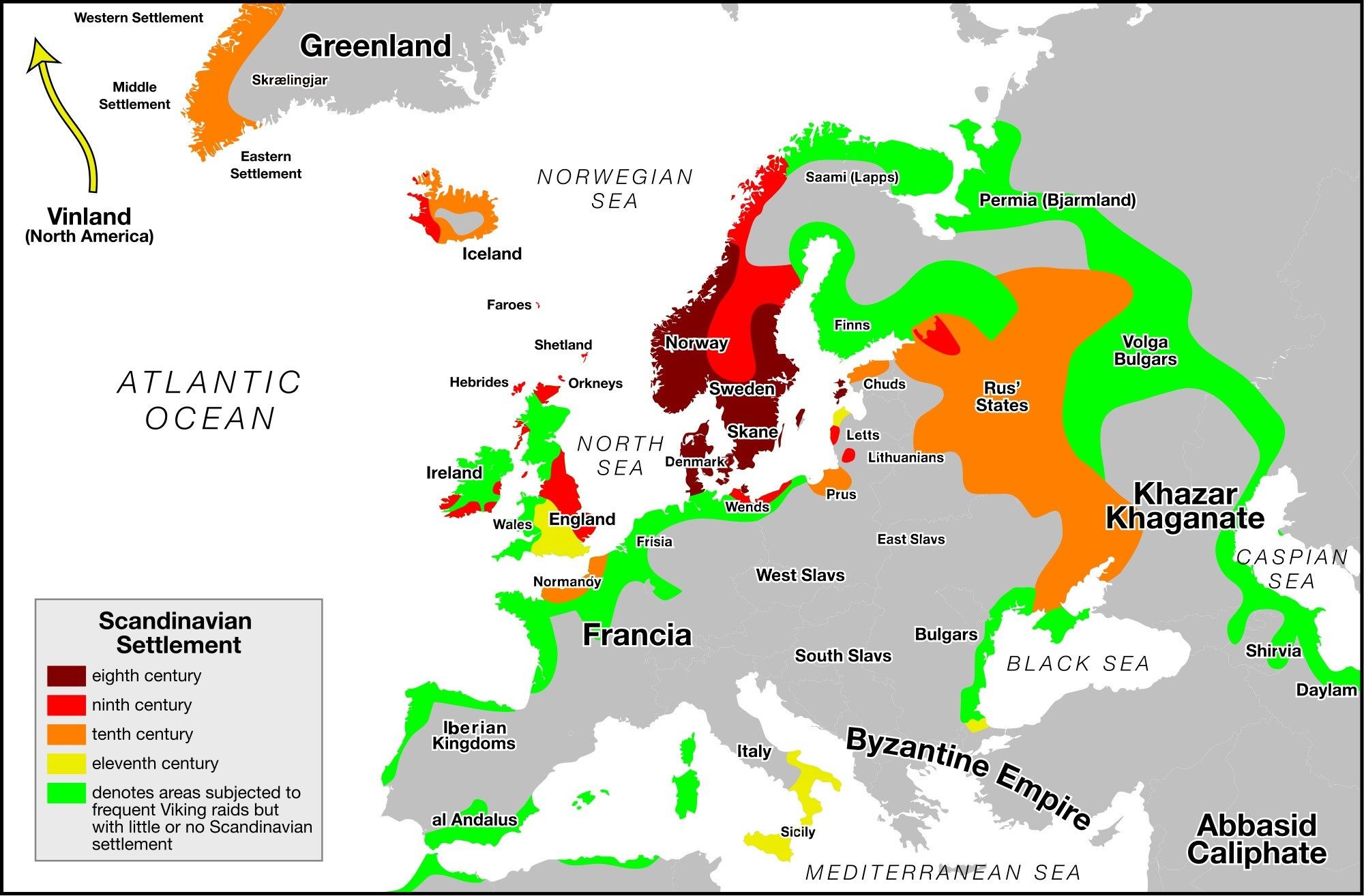




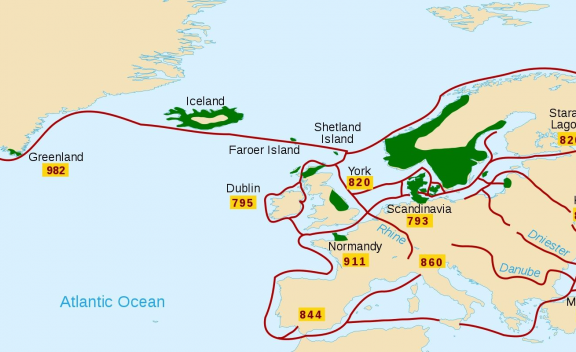
The Vikings' accomplishments as explorers and settlers were just as remarkable as their feats as raiders and warriors. They ventured far beyond their Scandinavian homelands, becoming the first Europeans to discover Greenland and even North America, which they referred to as "Vinland" – a discovery made approximately 500 years before Christopher Columbus. Along their journeys, they established substantial settlements in Iceland and various North Atlantic islands, while also colonizing the territories they had conquered in northern Europe. These explorations and settlements have left a lasting and profound impact on these regions that endures to this day.
The motivations driving the Vikings to venture so far across the globe and establish new settlements in the lands they reached were diverse, reflecting the unique aspirations of the individuals involved. However, several key motives emerge as particularly potent and broadly applicable. In regions where the Vikings were the first sizable group to explore or settle, their motivations included the pursuit of fame, prestige, and honor, as well as the yearning for a degree of personal freedom found only in sparsely-populated areas devoid of established governance. Additionally, they sought to harness untouched natural resources, capitalizing on the opportunities presented by virgin lands.
In places where the Vikings encountered existing populations and subsequently conquered them, their motivations were driven by political ambitions, a hunger for wealth through tribute and control of trade, and, much like in newly-inhabited lands, the desire to establish a formidable reputation for themselves.