



The Vikings were not only explorers and conquerors but also settlers in the lands they conquered through warfare. In some cases, it was individual warriors who settled down, started working the land, and married women from the native populations. In other instances, entire families moved from Scandinavia to the newly-conquered territories. For example, in the British Isles, the genetic contribution from Scandinavians is sometimes evenly distributed between men and women in certain areas, while in others, it is predominantly male.
Viking rulers in conquered territories often adapted to the expectations of rulership in those lands rather than imposing Scandinavian customs on the local populace. Viking rulers in non-Norse lands frequently maintained good relations with the Christian Church, utilized written documents for governance, and even minted their own coins. Their Viking followers followed suit, to the extent that archaeologists often find it challenging to distinguish Viking graves from non-Viking ones in territories under Viking control.
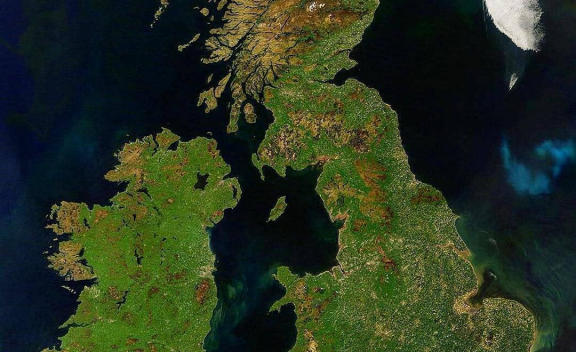
One of the most significant and enduring Viking conquests was that of the British Isles. The Scandinavians who migrated to England, Scotland, and Ireland left an indelible mark on the character of these countries. This is not surprising considering the extent of Viking rule in these regions. By the late ninth century, the Norse controlled nearly all of England except Wessex, along with substantial portions of Scotland and Ireland.
Even after the English regained control of the country in the mid-tenth century, many Scandinavian settlers remained and continued to influence English culture. This influence is evident in loanwords, place names, law codes, and other aspects of society. For instance, the modern English language includes over 600 loanwords from Old Norse, including common words like "cast," "knife," "take," "window," "egg," "ill," and "die."
Northern Scotland, in particular, was heavily settled by the Vikings due to its proximity to Norway and its strategic position for raids on England and Ireland. In the ninth century, the Norse discovered and conquered many thriving settlements in the region, subjugating the local populations.
The level of Norse influence on the people of Scotland and its islands was so profound that today, Shetlanders have approximately 44 percent Scandinavian DNA, while the Orkney Islands' inhabitants have around 30 percent, and those living in the Western Isles have roughly 15 percent. In fact, the residents of the Orkney and Shetland Islands spoke Norn, a dialect of Old Norse, until the nineteenth century.
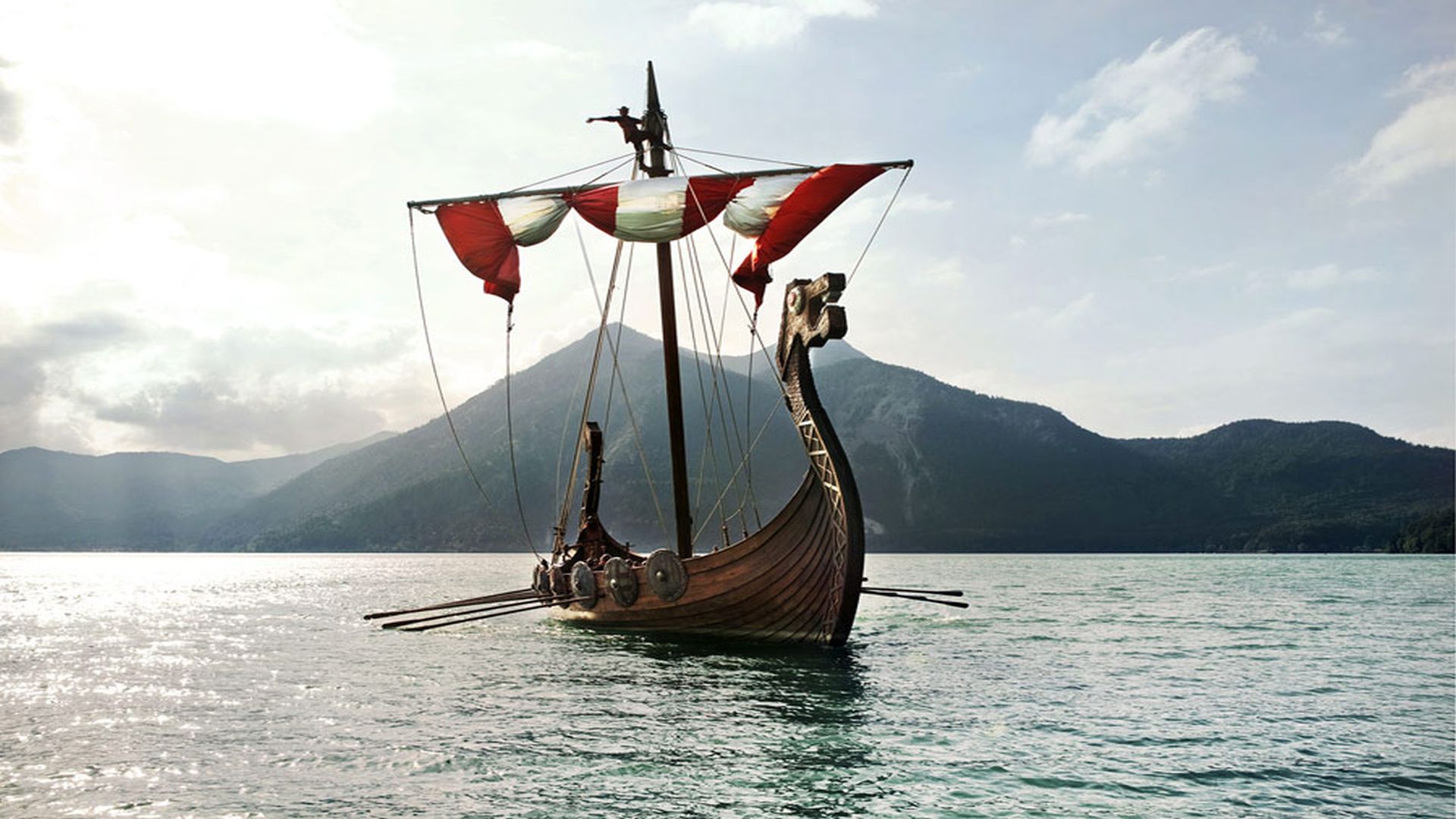
The influence didn’t just go one way, however. The Norse adapted to the local customs, including becoming Christians.
Over the course of the ninth century, as the Vikings settled in Ireland, they became more and more integrated into Irish society. They fought wars on behalf of Irish leaders, intermarried with the Irish, adopted Christianity, and so forth. The Irish had no particular tradition of trade with the outside world, and relied on the enterprising and well-connected Vikings to perform this activity on their behalf so that they could enjoy the fruits of interaction with international markets.
While Viking settlements in Ireland were confined to trade towns – the Irish made a point to keep them out of the rest of the country – those trade towns had a great impact on the contemporary and subsequent character of the country. One of them, Dublin, is now Ireland’s capital city.