




"Shamanism," much like "love," is a term notoriously challenging to define. However, for our purposes here, we can consider shamanism as the practice of entering an ecstatic trance state with the aim of contacting spirits, traveling through spiritual realms, and accomplishing specific purposes. Shamanism is a common feature of numerous magical and religious traditions worldwide, particularly those closely tied to specific cultures or regions.
The pre-Christian religion of the Germanic peoples contains abundant shamanic elements, making it impossible to discuss them all comprehensively in this context. Therefore, our discussion will focus on the most significant aspects. We will begin with Odin, the chief of the gods, who exhibits numerous shamanic traits. Then, we will explore shamanism within Norse magical traditions associated with the female sphere of traditional northern European social life, followed by an examination of the male sphere, including the berserkers and other "warrior-shamans."
Odin and Shamanism:
Odin, the leader of the gods, is frequently depicted as a quintessential shamanic figure in the earliest primary sources that provide insight into the pre-Christian beliefs of the Germanic peoples. His very name, "Odin" (Old Norse Óðinn), implies this connection: "Odin" is a compound of óðr, meaning "ecstasy, fury, inspiration," and the suffix -inn, which, when appended to another word, conveys a sense of "the master of" or "a perfect example of." Thus, "Odin" can be aptly translated as "The Master of Ecstasy." This interpretation finds support in the writings of the 11th-century historian Adam of Bremen, who translates "Odin" as "The Furious," establishing a link between Odin and the ecstatic trance states integral to shamanism.
Odin's shamanic journeys into the spirit world are well-documented. The Ynglinga Saga recounts how he would "travel to distant lands on his own errands or those of others" while appearing to others as if he were asleep or dead. Another account is found in the Eddic poem "Baldur's Dreams," where Odin rides Sleipnir, an eight-legged horse characteristic of northern Eurasian shamanism, to the underworld to consult a deceased seeress on behalf of his son.
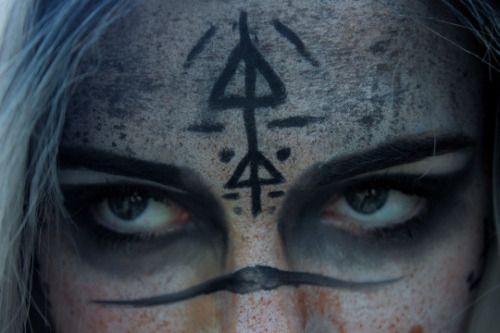
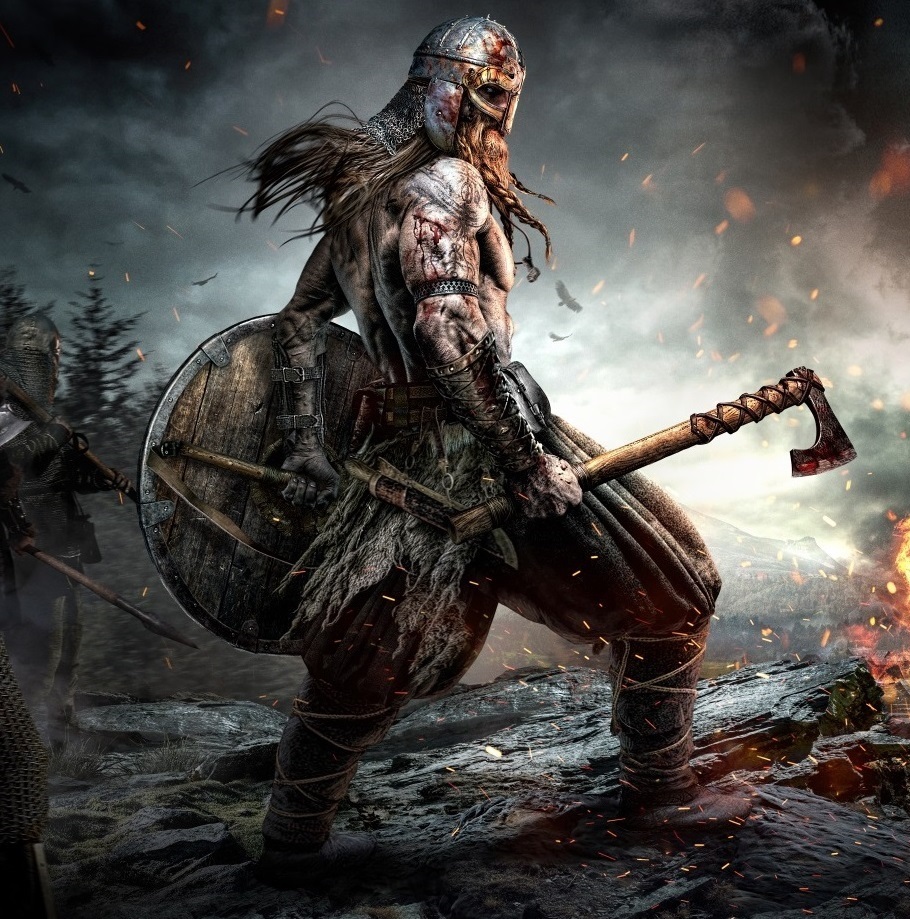
In any case, there were other forms of shamanism that were much more socially acceptable to men. One of the central institutions of traditional German society was a group of elite, ecstatic, totemistic warriors. Some of the warriors in these fraternities were berserkers. They were not ordinary soldiers; the initiation rituals, fighting techniques and other spiritual practices of these groups were such that their members could be aptly described as "shaman warriors.
The divine guide and inspiration for these people was the same as for the seiders: One. The Ingling saga can say this about them:
Odin's men without armor went into battle and were crazy about dogs or wolves and strong as bears or bulls. They bit their shields and killed people while they themselves were not affected by fire or iron. It's called a walking berserk.
Or in the insightful and expressive words of archaeologist Neil Price:
They howl and foam groups of struggling people. Some wear animal skins, some wear naked skins, and some throw away shields and armour to rely only on their absorbing madness. Perhaps some of the greatest warriors do not go out on the battlefield at all, but stay in tents, their minds are still focused on the battle. Like huge animals, their spirit sneaks through the battle, destroying the destruction.
This battle madness ("coming berserk") was one of the most common and powerful forms that Odin (ur) could take. In such a battle, these holy warriors bit or threw their shields - symbolic indicators of their social identity - and became completely obsessed with the spirit of their totem animal, sometimes even changing their forms to become a bear or wolf. In this way, they have achieved a state of unity with the master of these animals and the giver of this sublime furor: Alone.
Given the popularity of shamanism in other traditional northern Eurasian societies, it would be shocking if it were absent from traditional German society. So it is not surprising that instead the established social customs of pre-Christian Germanic peoples were overflowing with shamanic elements.
It is equally important to emphasize the unique German form of these elements. In the center of the German shamanic complex is "All Father" One, which inspires both women and men - "warriors shamans" their dangerous gift of ecstasy, giving them an advantage in life's battles, as well as in communicating with the divine world of lasting importance.