





Totemism involves a spiritual kinship between humans or a group of humans and a specific species of animal or plant. The totem animal or plant is often regarded as an ancestor, guardian, and benefactor of the individuals involved, and in some cases, it is believed to have a connection with the human self.
In the pre-Christian worldview and practices of the Norse and other Germanic peoples, totemism is evident in two prominent and influential aspects: animal helping spirits, especially the fylgjur, and the patron animals of shamanic military societies.
The Fylgjur:
The fylgjur (plural, pronounced "FILG-yur") and fylgja (singular, pronounced "FILG-ya," Old Norse for "follower") are integral to Norse totemism. Typically, a fylgja is an animal spirit, although, on occasion, a human helping spirit is also referred to as a fylgja in Old Norse literature. The well-being of the fylgja is closely intertwined with that of its owner; for instance, if the fylgja perishes, so does its owner. The character and form of the fylgja are intimately linked to the character of its owner. For instance, a person of noble birth might have a bear fylgja, while a violent individual might have a wolf, or a gluttonous person might have a pig as their fylgja. Essentially, this helping spirit can be considered the totem of an individual rather than a group.
Many gods and goddesses also have personal totem animals, which may or may not be fylgjur. For example, Odin is closely associated with wolves, ravens, and horses, while Thor is connected to goats, and Freya and Freyr have a connection with wild boars. Consequently, it is not surprising that their human devotees may also have personal totems associated with these animals.
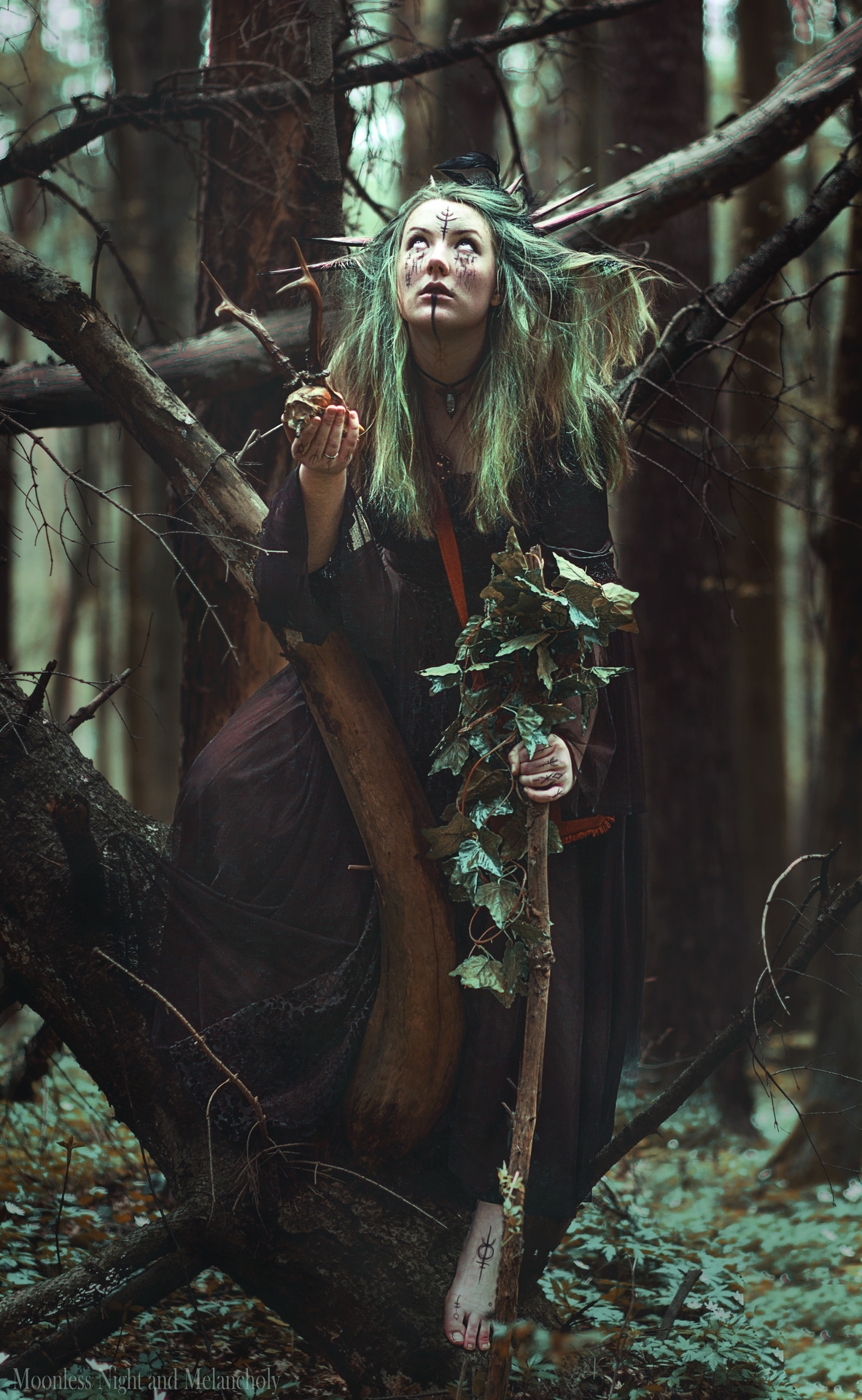
Totemistic Warriors
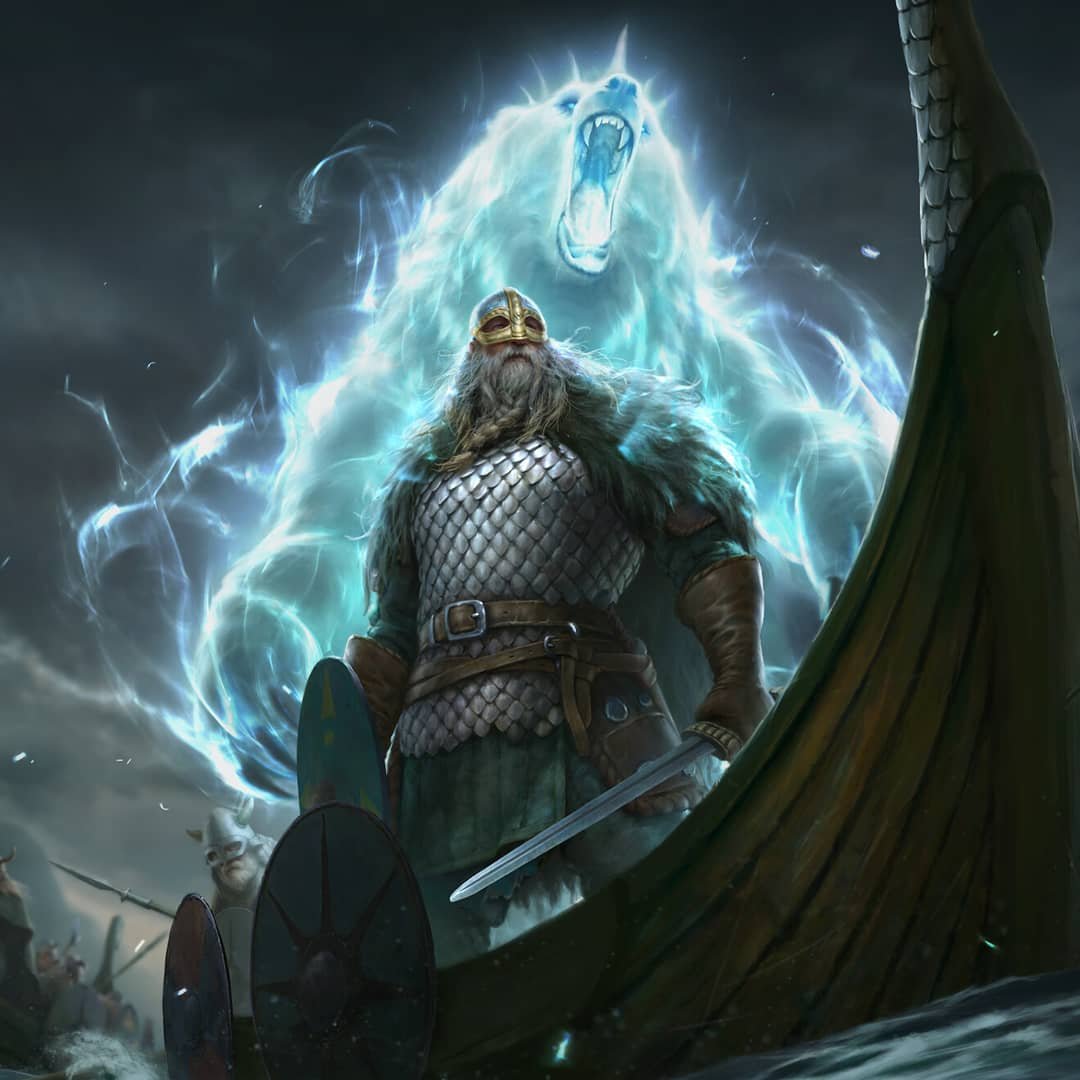
One of the most prominent examples of group totemism among the ancient Germanic peoples is that which occurs within the institutional framework of the initiatory military society. Many of these societies had a totem animal, usually the wolf or the bear, who would lend his ferocity and strength to the warriors.
Initiation into one of these societies typically involved spending a period of time alone in the wilderness. The candidate’s food was obtained by hunting, gathering, and stealing provisions from nearby towns. In the words of archaeologist Dominique Briquel, “Rapto vivere, to live in the manner of wolves, is the beginning of this initiation. The bond with the savage world is indicated not only on the geographic plane – life beyond the limits of the civilized life of the towns… but also on what we would consider a moral plane: their existence is assured by the law of the jungle.” The candidate lived in imitation of the group’s totem beast.
As his training progressed, imitation gave way to identification. The warrior achieved a state of spiritual unification with the bear or the wolf, which would frequently erupt in bouts of ecstatic fury. This bond was displayed to others by the warrior’s dressing himself in a ritual costume made from the hide of the animal, an outward reminder of the man’s having gone beyond the confines of his humanity and become a divine predator. It’s hard to imagine a grislier or more frightening thing to encounter on the Viking Age battlefield.
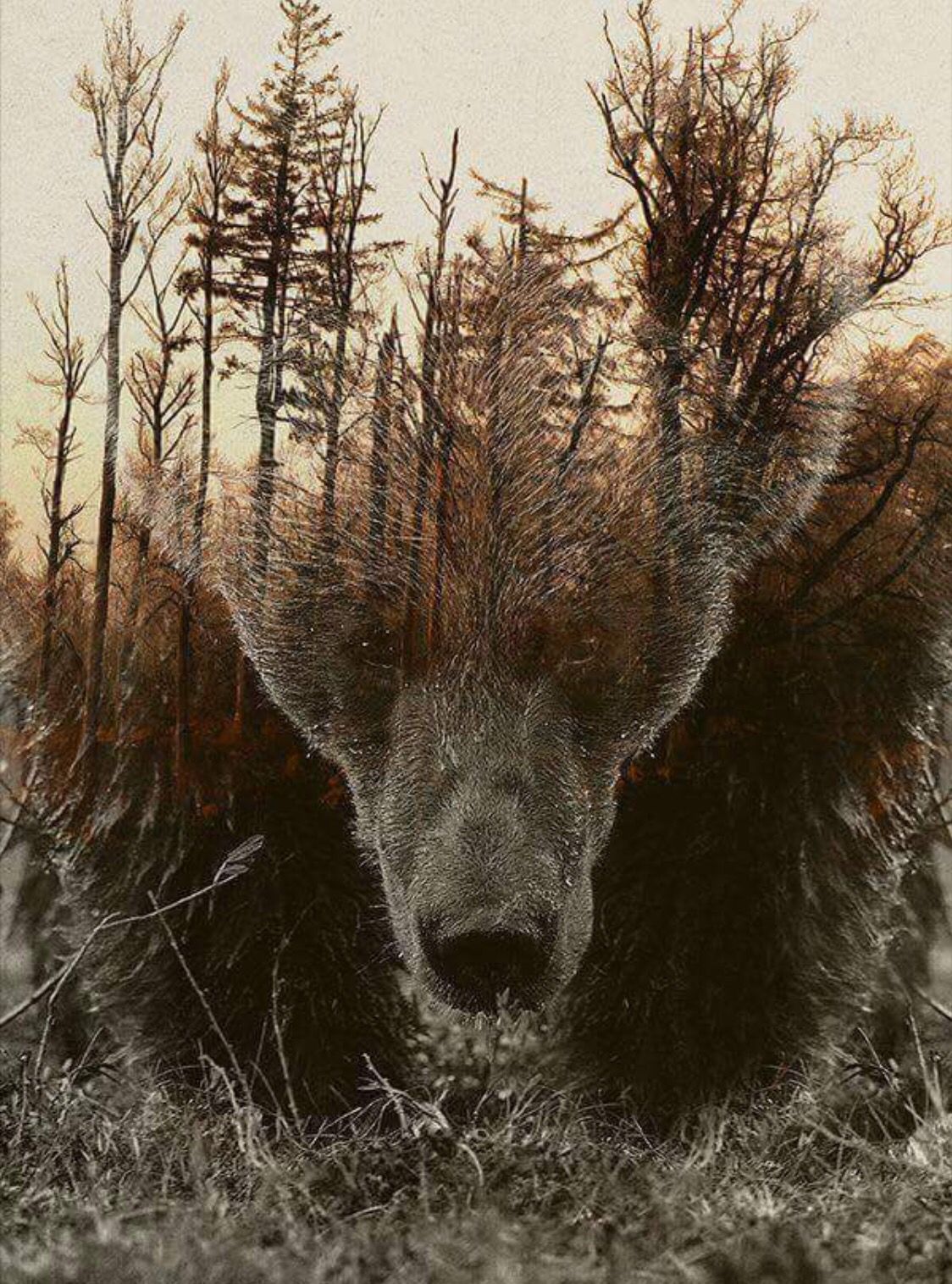
This transformation was more than merely symbolic, and fell somewhere along the continuum that includes having the animal as one’s fylgja, possession, and, at the farthest extreme, shapeshifting. The sagas contain numerous accounts of elite warriors shapeshifting into a bear or a wolf; Egil’s Saga and The Saga of King Hrolf Kraki provide a few examples. The most telling example of this phenomenon, however, comes from The Saga of the Volsungs. As part of the hero Sigmund’s training of his protégé, Sinfjötli, the two don wolf pelts and become wolves, and in this form they rage through the forest killing their enemies. Sigmund and Sinfjötli are archetypal úlfheðnar (“wolf-hides”), Viking Age warriors who had wolves as their totem animals. Those who had bears as their totem animals were none other than the famous berserkers, “bear-shirts.” The names berserkir and úlfheðnar are both references to the ritual bear- or wolf-costumes worn by these warriors.
What It Means To Be Human
Totemism can be seen as a precursor to the modern idea of Darwinian evolution, and evolution, in turn, can be seen as a scientific restatement of some of totemism’s most fundamental assumptions. In the words of the contemporary philosopher David Abram,
Darwin had rediscovered the deep truth of totemism – the animistic assumption, common to countless indigenous cultures but long banished from polite society, that human beings are closely kindred to other creatures… In the wake of Darwin’s bold insights, we have learned to consider all humans as members of a common family. But the wild, animistic implication of Darwin’s insight has taken much longer to surface in our collective awareness, no doubt because it greatly threatens our cherished belief in human transcendence. Nonetheless, it is an inescapable implication of the evolutionary insight: we humans are corporeally related, by direct and indirect webs of evolutionary affiliation, to every other organism that we encounter.
In this perspective, while every species is unique in some way, humans aren’t uniquely unique compared to other species. There’s nothing that fundamentally separates mankind from the other animals or from the fleshly world we inhabit alongside them.
The totemism of the Norse and other Germanic peoples is an instantiation of how they perceived much of the non-human world to be full of enchantment and spiritual qualities.