





Blog
CATEGORIES
CATEGORIES
View all articles Ancient sites and archeological discoveries Artifacts of the viking gods Concepts Daily life in the viking age Dwarfs Giants and giantesses Mythological creatures Norse symbols Other locations Runes Scandinavian Sagas Servants in Norse mythology The Conquest Geography The Great Vikings The nine worlds in norse mythology Travel advices Viking beasts Viking Goddesses Viking Gods Viking holidays Viking ships and boats Viking weapons and armor

09.02.2020
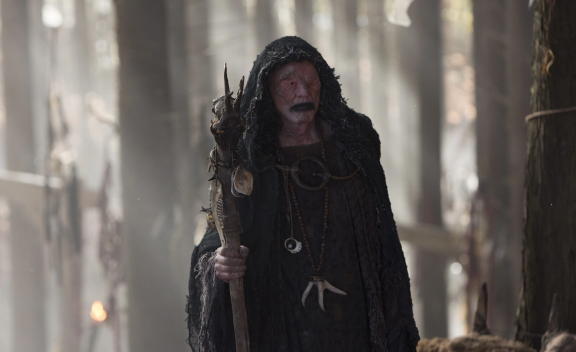
Magic in the pre-christian germanic and modern world At this point, you might be wondering, "Okay, but does this kind of magic work on things other than humans? Can it influence the weather or the behavior of animals and plants, as various sorcerers and shamans worldwide are said to do?" It's a legitimate question, and...
view 

09.02.2020
Fate - Wyrd/Urd In the belief system of the pagan Norse and other Germanic peoples, fate, known as Urðr or Örlög in Old Norse, Wyrd in Old English, Wurd in Old Saxon, Wurt in Old High German, and Proto-Germanic *Wurðiz, played a central role in shaping the course of events in the...
view 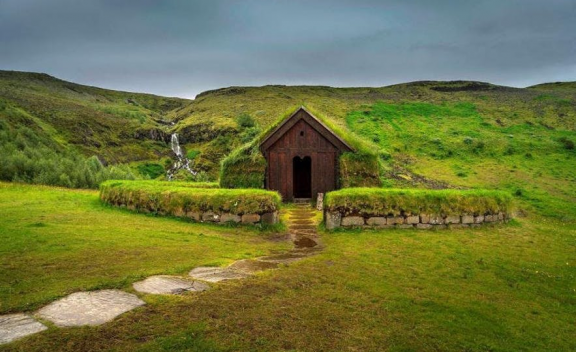
08.02.2020
The relationship between the gods and humans The Norse conception of their gods was decidedly anthropomorphic, meaning that their gods closely resembled humans but on a grander scale. Even in their spiritual nature, the gods were not entirely separate from humans or the physical world. Rather, the gods, despite being spiritual...
view 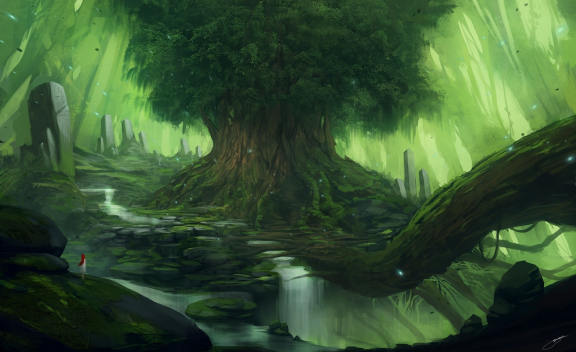
08.02.2020
Norse theology The Vikings did not express their views on the divine through abstract theological or philosophical language. Instead, they conveyed their understanding of divinity through concrete imagery and narratives found in their myths. While these myths are powerful and unique, they primarily...
view 
08.02.2020
The disenchantment of the world Before the Reformation, Counter-Reformation, Witch Trials, and Scientific Revolution, the majority of Europeans lived in a world imbued with enchantment. This enchantment persisted because their Christianity was a syncretic faith that retained many prominent pagan elements. Their...
view 
08.02.2020
The enchanted world In today's world, we often perceive our surroundings as lacking enchantment and meaning. Our built environments prioritize functionality over any sense of wonder, with only occasional aesthetic embellishments. Nature, too, is appreciated primarily for its utility and occasional...
view