



Blog
CATEGORIES
CATEGORIES
View all articles Ancient sites and archeological discoveries Artifacts of the viking gods Concepts Daily life in the viking age Dwarfs Giants and giantesses Mythological creatures Norse symbols Other locations Runes Scandinavian Sagas Servants in Norse mythology The Conquest Geography The Great Vikings The nine worlds in norse mythology Travel advices Viking beasts Viking Goddesses Viking Gods Viking holidays Viking ships and boats Viking weapons and armor
07.02.2020
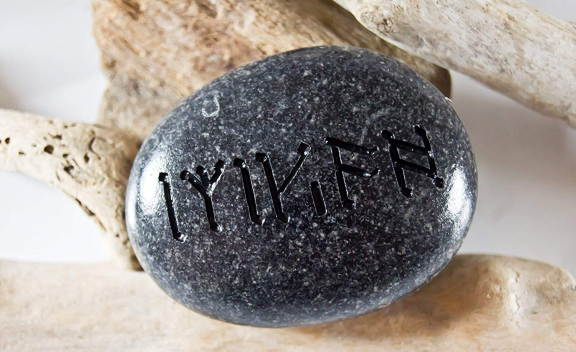
Part IV: The Meanings of the Runes This section provides the sign, name, phoneme (sound), and short description of the meaning of each of the twenty-four runes that comprise the Elder Futhark. The given meanings are based on the medieval Rune Poems (which are conveniently available online here) exclusively. Where...
view 
07.02.2020
Part III: Runic Philosophy and Magic In the pre-Christian Germanic worldview, the spoken word was believed to possess significant creative powers. Uttering words was seen as having a profound influence on various aspects of life. Once spoken aloud, a sentence or word was considered to have a tangible impact that...
view 
07.02.2020
Part II: The Origins of the Runes The historical origins of runic writing are a subject of scholarly debate, but there is a general consensus on a likely outline of their development. Runes are believed to have been derived from one of the Old Italic alphabets used by Mediterranean peoples in the first century CE, who...
view 
07.02.2020
Part I: Introduction The runic alphabets used by the Norse and other Germanic peoples were the earliest systems of writing in these cultures. Runes were not merely letters; they held deeper significance and were associated with cosmological principles and mystical forces. In Germanic languages, the word...
view