

Folkvang, translated as the "Field of the People" or "Field of Armies," is the divine realm and abode of the goddess Freya in Norse mythology.
Mentions of Folkvang are relatively scarce in Old Norse literature, occurring only twice in known sources. These references are found in the poem "Grímnismál" ("The Song of the Hooded One") and the "Prose Edda." The passage in the "Prose Edda" quotes the relevant stanza from "Grímnismál," indicating that "Grímnismál" served as the source.
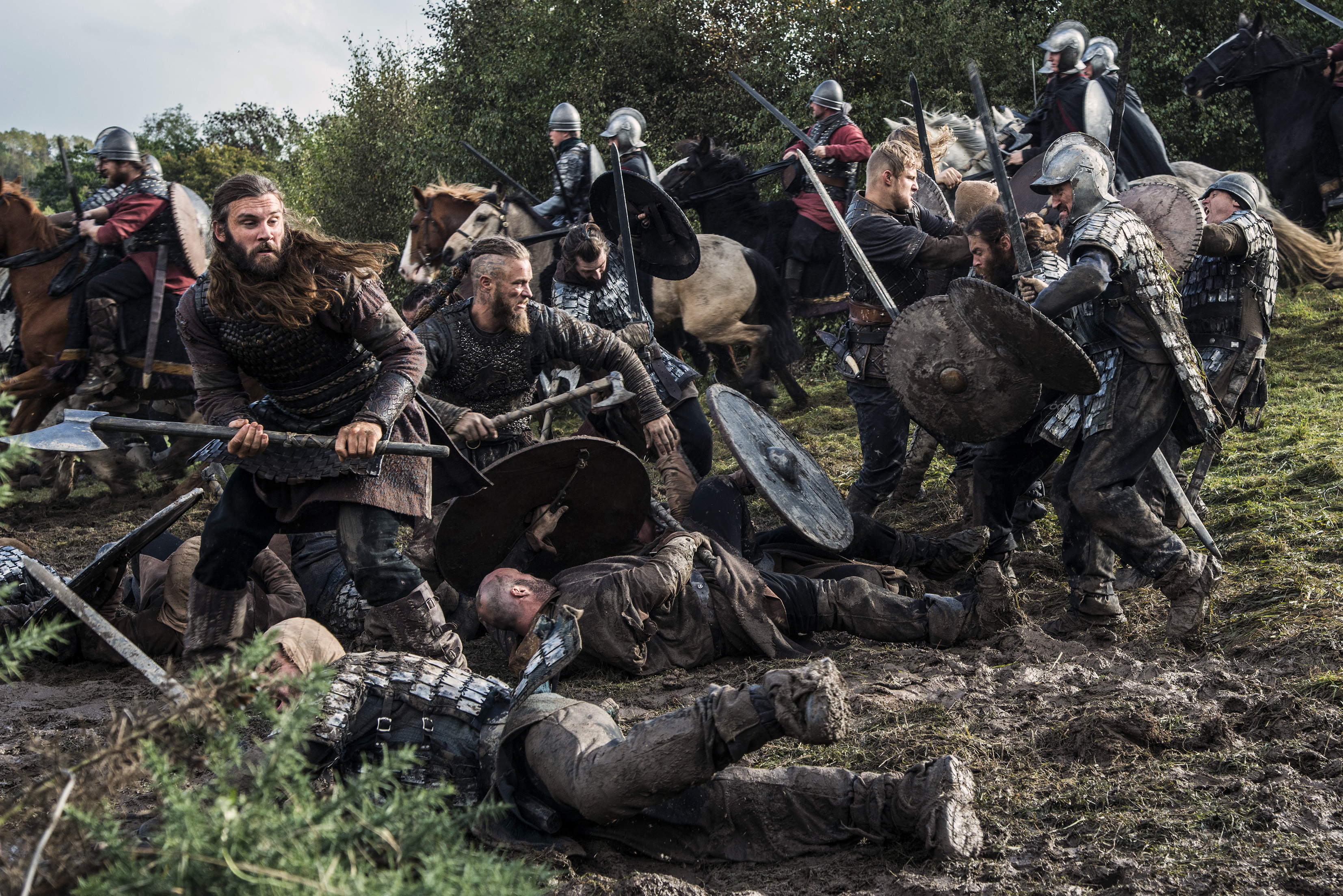
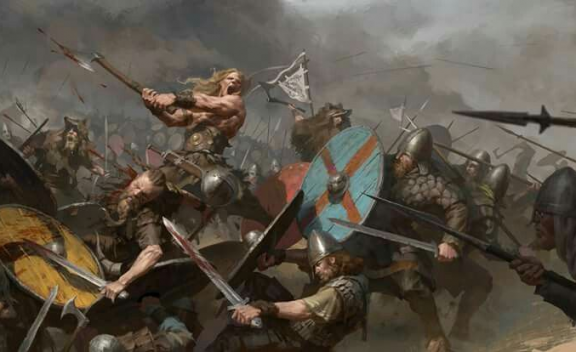
According to "Grímnismál," Freya receives half of the "weapon-dead" into Folkvang upon their death, while the other half go to Valhalla, Odin's renowned hall. The poem does not specify the criteria used to determine who goes to Folkvang and who goes to Valhalla. It's worth noting that various pieces of Old Norse literature offer contradictory explanations for who gains entry to Valhalla and on what basis. As a result, this stanza in "Grímnismál" may represent a later attempt at systematization rather than reflecting the beliefs of the Vikings themselves.
The Old Norse sources provide limited information about Folkvang's characteristics and the activities of the dead within it. The "Prose Edda" mentions that Freya's hall within Folkvang is named Sessrumnir, meaning "Hall with Roomy Seats" or "Hall with Many Seats." However, this description remains quite generic, offering little insight into the nature of the hall.
The notion that some of the dead find their way to Freya appears to have been a reasonably established belief, although different sources present varying ideas about who goes there and the circumstances under which this occurs. For instance, "Egil's Saga" features a character who expresses a desire to dine with Freya, implying that she would only partake in food once she reaches Freya's hall. This idea, however, conflicts with the depiction in "Grímnismál," where the reception of the dead in Folkvang seems to be associated with a warrior's death in battle. Consequently, while Freya's role in receiving the dead was acknowledged, the specifics surrounding it may have varied among different sources and interpretations of Norse mythology.