



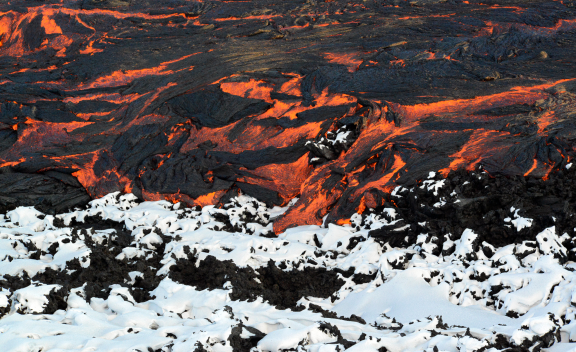
In Norse mythology, Élivágar, which translates to "Ice Waves" or "Ice Rivers," are the rivers that existed in Ginnungagap, the primordial void, at the beginning of the world. The Prose Edda provides a description of their origin and significance:
The streams called Ice-waves, those which were so long come from the fountain-heads that the yeasty venom upon them had hardened like the slag that runs out of the fire,-these then became ice; and when the ice halted and ceased to run, then it froze over above. But the drizzling rain that rose from the venom congealed to rime, and the rime increased, frost over frost, each over the other, even into Ginnungagap, the Yawning Void. — Gylfaginning 5
There are traditionally eleven rivers associated with the Élivágar: Svöl, Gunnthrá, Fjörm, Fimbulthul, Slidr, Hríd, Sylgr, Ylgr, Víd, Leiptr, and Gjöll. Gjöll flows closest to the gate of Hel and is crossed by the bridge Gjallarbrú. Additionally, many other rivers are mentioned by name in both Eddas.
The Élivágar are linked to the origin of Ymir, the first giant in Norse mythology. According to Vafthrúdnismál, Ymir was formed from the poison that dripped from these rivers.
In Gylfaginning, Snorri Sturluson expands on this notion. When the venomous yeast from the Élivágar froze into ice and spread across its banks, it fell as rain through the mild air of Ginnungagap. This rime, combined with the cold originating from Niflheim, where the Élivágar find their source in the wellspring Hvergelmir, began filling the void. This ice then came into contact with the life-giving fire and heat of Muspelheim, leading to the melting and dripping that ultimately gave form to Ymir, the progenitor of the rime giants or frost giants.
Elsewhere in Gylfaginning, it is stated that "So many serpents are in Hvergelmir with Nídhögg that no tongue can tell them." These serpents are presumed to be the source of the venom or poison referred to in the myth.
A reference to the river Leiptr appears in Helgakviða Hundingsbana II, where the Valkyrie Sigrún places a curse on her brother Dagr for having murdered her husband Helgi Hundingsbane, despite Dagr having sworn a holy oath of allegiance to Helgi by the "bright water of Leiptr." This oath and the ensuing betrayal are significant elements in the story.