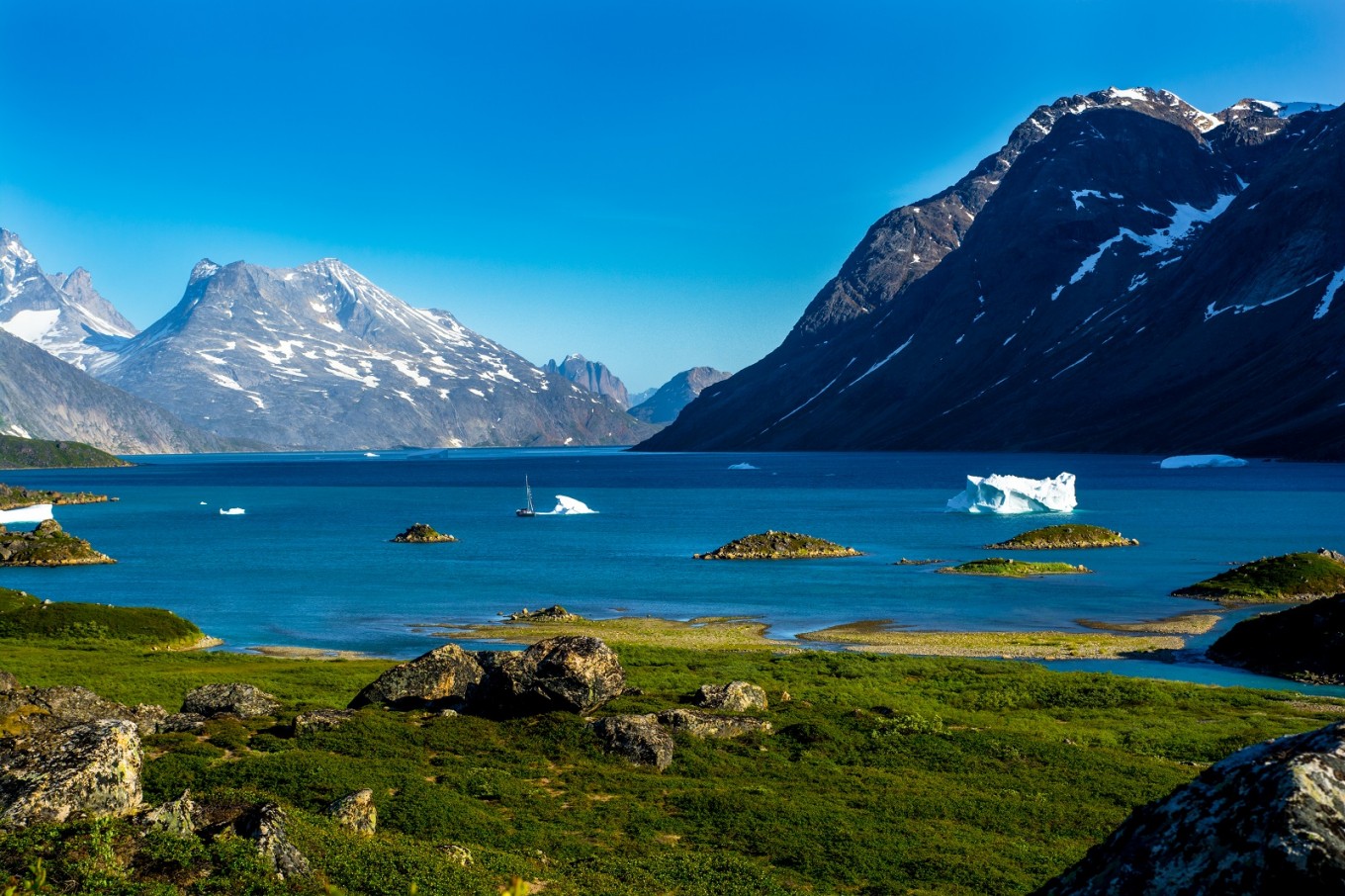




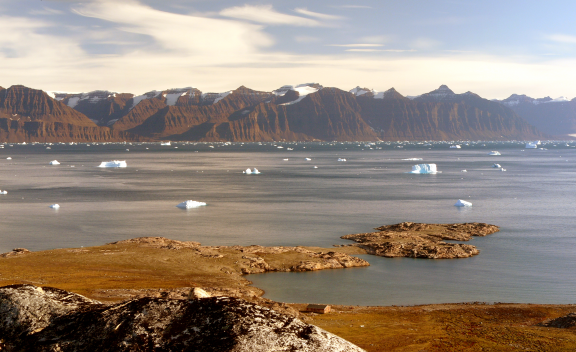
According to medieval Icelandic sagas, Erik the Red, named for his fiery red hair and beard, was the founder of the Viking colony in Greenland. He was originally Norwegian but was outlawed in his homeland "because of some killings," as the sagas describe it. Erik sought refuge in Iceland but soon encountered trouble there as well. Rumors circulated about a Viking explorer who had spotted a new land to the west of Iceland but had not landed on it. During his period of exile from Iceland, Erik decided to investigate this new territory.
Upon completing his sentence as an outlaw, Erik returned to Iceland with fascinating tales of this newfound land. Gifted as a marketer, he chose to name the place "Greenland" (Old Norse Grœnland) in an attempt to entice others to join him in settling it. While the name "Greenland" wasn't entirely inaccurate, as there were some coastal regions in the southern part of the island that were green enough for settlement and livestock grazing, it was rather misleading. Most of the land was covered by glaciers and ice fields, and the climate was significantly colder and less hospitable than that of Iceland.
Erik's powers of persuasion were successful, and in the summer of 985, twenty-five ships set sail for Greenland. However, the sea conditions were harsh, and only fourteen of them successfully reached Greenland. The others either turned back or vanished.
Those who made it established settlements in two areas within the southern fjords of the island, situated approximately 400 miles apart from each other. These areas came to be known as the Eastern and Western Settlements. At that time, the Inuit lived farther to the north, and these settlements were otherwise uninhabited. Farmsteads were dispersed to ensure that everyone had sufficient land for grazing their herds and producing hay for the winter.
Despite the marginal nature of the land, the coastal waters of Greenland teemed with life. Many of the sea creatures found in Greenland's coastal waters, such as walruses, seals, and whales, were highly sought after in Europe. Some of the wild animals inhabiting the land, including foxes, bears, and caribou, were also valuable. These animals enabled the Greenland Vikings to sustain themselves through trade with Europe, which was crucial because the land's scarcity made them heavily reliant on external trade to obtain essential goods like wood.
Sometime between the fifteenth and seventeenth centuries, the entire Norse population of Greenland mysteriously disappeared. While various theories have been proposed to account for their disappearance, the exact fate of these Vikings remains unknown.