If you want to use this site please update your browser!
0 0
  • $
  • C$
  • £
  • $
  • C$
  • £
  • $
  • C$
  • £
  • $
  • C$
  • £
  • $
  • C$
  • £

Blog

Fensalir
17.01.2020
Fensalir
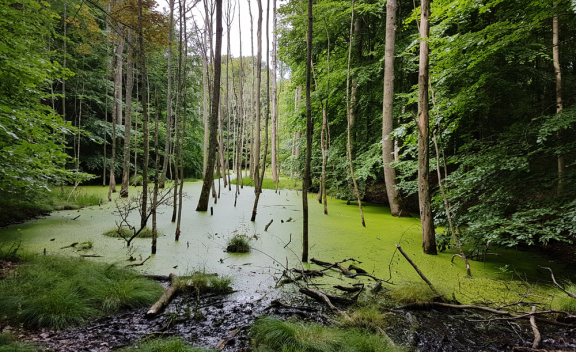
In Norse mythology, Fensalir (Old Norse "Fen Halls") is a location where the goddess Frigg dwells. Fensalir is attested in the Poetic Edda, compiled in the 13th century from earlier traditional sources, and the Prose Edda, written...
view
Brimir
16.01.2020
Brimir
In Norse mythology, Brimir is possibly another name for the giant Ymir and also a name of a hall for the souls of the virtuous following the endtime conflict of Ragnarök. In the Gylfaginning section of the Prose...
view
Bravellir
16.01.2020
Bravellir
Brávellir (Old Norse) or Bråvalla (modern Swedish) (58°35′N 16°25′E) was the name of the central plain of Östergötland (East Götaland), in Norse mythology. It appears in several traditions, such as...
view
Barri
16.01.2020
Barri
In Norse mythology, Barri is the place where Freyr and Gerðr are to consummate their union, as stated in the Skírnismál: Barri the grove is named, which we both know, the grove of tranquil paths. Nine nights hence,...
view
Andlang
15.01.2020
Andlang
In Norse mythology, Andlang (also Andlàngr or Öndlangr) is described as the second heavenly realm which stretches between the first, containing the halls of the gods, and the third, named Vídbláin. In all there are nine...
view
Amsvartnir
15.01.2020
Amsvartnir
In Norse mythology, Amsvartnir (Old Norse "pitch black") is a lake that is primarily known for its association with the island Lyngvi, where the gods bound the wolf Fenrir. This lake is solely mentioned in the Prose Edda book Gylfaginning, which was written in the 13th...
view
Kerlaugar
15.01.2020
Kerlaugar
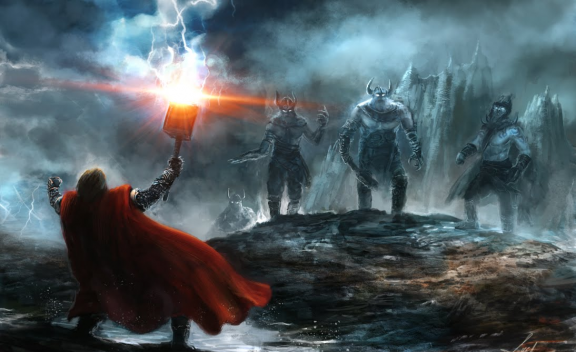
In Norse mythology, the Kerlaugar (plural form of Old Norse kerlaug "kettle-bath",) i.e. "bath-tub", are two rivers through which the god Thor wades. The Kerlaugar are attested in the Poetic Edda, compiled in the 13th...
view
Ifingr
14.01.2020
Ifingr
In Norse mythology, Ifing (Old Norse, Ífingr) is a significant river that serves as a natural boundary, separating Asgard, the realm of the gods, from Jotunheim, the land of giants. This description is found in stanza 16 of the poem Vafthrudnismal from the Poetic Edda. The...
view
Gjoll
14.01.2020
Gjoll
Gjöll, derived from the Old Norse "Gjǫll," is a significant river in Norse mythology that serves as the boundary between the realm of the living and the realm of the dead. It is one of the eleven rivers traditionally associated with the Élivágar, a group of...
view
Elivagar
14.01.2020
Elivagar
In Norse mythology, Élivágar, which translates to "Ice Waves" or "Ice Rivers," are the rivers that existed in Ginnungagap, the primordial void, at the beginning of the world. The Prose Edda provides a description of their origin and significance: The...
view
UP