



Blog
CATEGORIES
CATEGORIES
View all articles Ancient sites and archeological discoveries Artifacts of the viking gods Concepts Daily life in the viking age Dwarfs Giants and giantesses Mythological creatures Norse symbols Other locations Runes Scandinavian Sagas Servants in Norse mythology The Conquest Geography The Great Vikings The nine worlds in norse mythology Travel advices Viking beasts Viking Goddesses Viking Gods Viking holidays Viking ships and boats Viking weapons and armor
12.09.2021
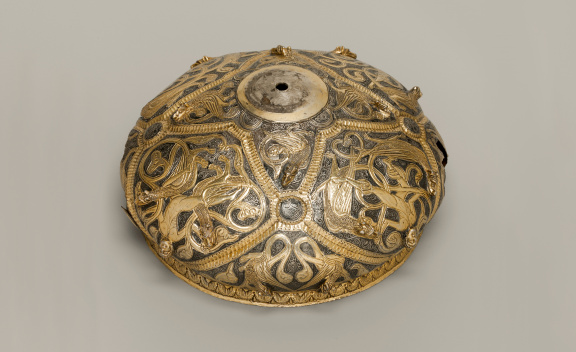
Bowl of a Drinking Cup Dating from the late 12th century and with possible origins in either Britain or Scandinavia, this bowl is a fascinating historical artifact. Its intricate design features animated nude male figures and dragons intricately woven into the foliage, creating a captivating and ornate...
view 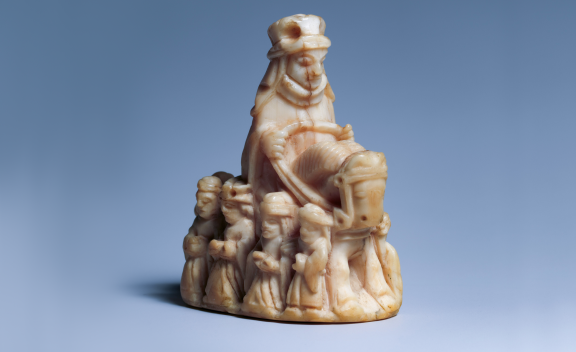
11.09.2021
Queen Chess Piece From the 13th century and originating in Scandinavia, this historical piece offers a glimpse into the world of medieval chess. It is a rare surviving example of a chess piece representing a queen, a significant contribution of medieval Europe to the chess game as it is known today....
view 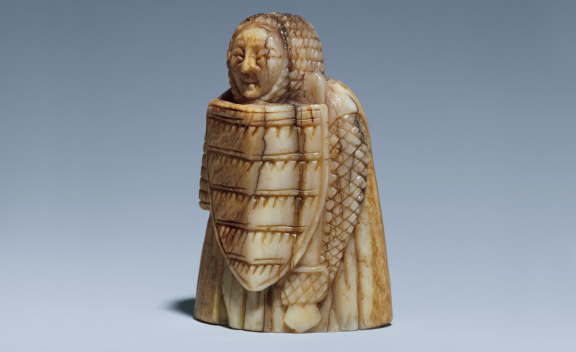
10.09.2021
Rook or Pawn Chess Piece Dating back to the 12th century and originating from Scandinavia, this remarkable sculpture portrays a standing warrior fully armed and prepared for battle. The warrior is depicted wearing complete robes and a long cloak, evoking a sense of both strength and readiness for combat....
view 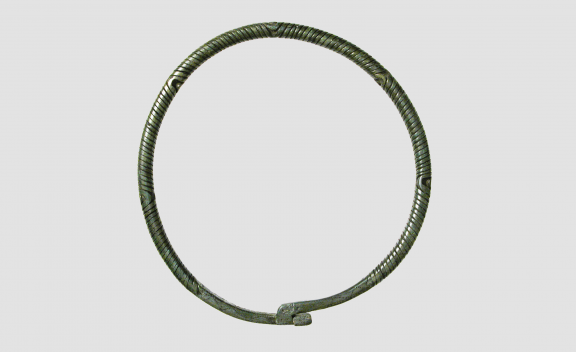
09.09.2021
Neck Ring (Torque) Dating back to around 600 B.C. and originating from the Scandinavian region, this torque possesses a deceptive design. At first glance, it appears to be wrapped in a wide flat wire that changes direction six times. However, this intricate pattern was not achieved through winding the...
view 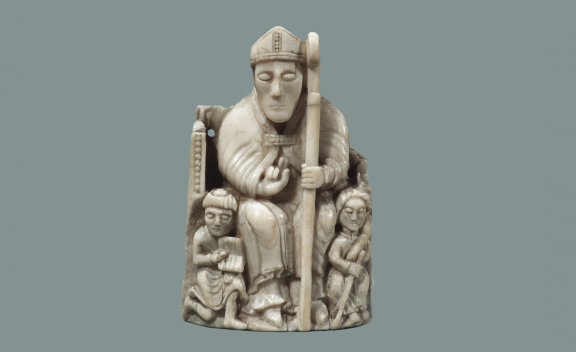
08.09.2021
Bishop Chess Piece Between the years 1150 and 1200, a notable shift occurred on the European chessboard with the introduction of the bishop piece. This new piece replaced the elephant from the Islamic chess tradition. This transition, which may initially appear curious, reflects the historical context of...
view 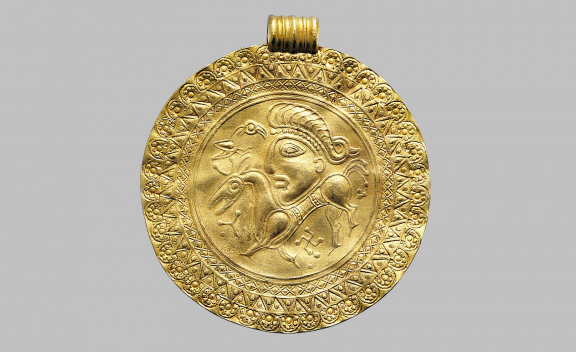
08.09.2021
Gold Bracteate 400-600 This fine gold pendant, known as a brakteat, exhibits a dexterous and energetic design defined by bold, sweeping lines. The central facet exemplifies the exuberant, highly restrained style of early medieval Scandinavian artists. The border zone, formed by intricate and...
view 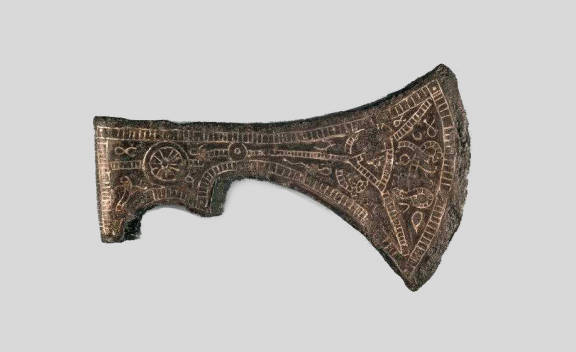
07.09.2021
Old Germanic Axe The British Museum houses a decorated head of a 7th-century Merovingian battle axe, which is currently on display. This axe features an iron tip with an extended, asymmetrical triangular blade. Both sides of the blade and its tip are adorned with intricate silver inlaid geometric...
view 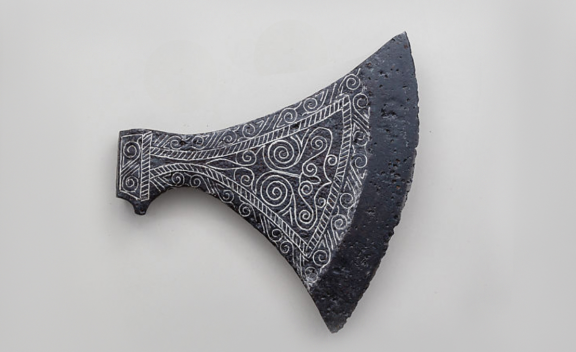
07.09.2021
Axe Head Dating from the 11th to 12th centuries, this Scandinavian axe holds a special place in the Weapons and Armor Division's collection, despite the relatively limited number of early medieval European armor and weapons within the museum's holdings, especially those with significant...
view 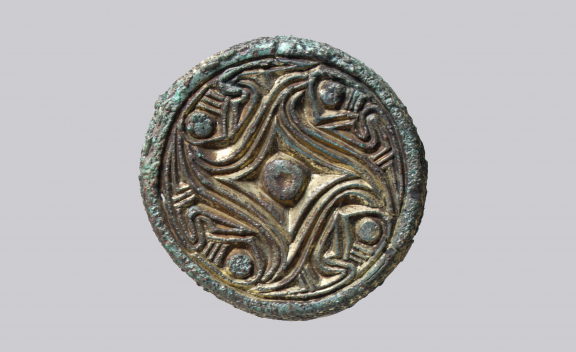
04.09.2021
Disk Brooch This copper alloy brooch, embellished with gilding, originates from a period approximately 600 to 650 years ago. It can be observed on display in Gallery 301 at The Met Fifth Avenue. This brooch hails from the Vendel period in Swedish history, which predates the Viking Age. It...
view 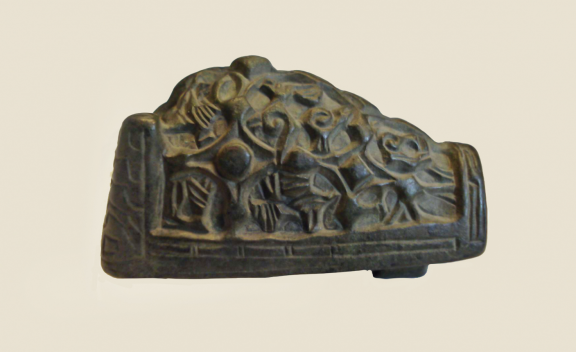
03.09.2021
Animal-Head Brooch In the 10th century, in Europe, specifically in Scandinavia, on the island of Gotland, in the town of Visby, at Kopparsvik, there is a noteworthy brooch crafted in the shape of an animal head. This brooch is fashioned from copper alloy and is hollow, featuring a riveted back plate that...
view