



Blog
CATEGORIES
CATEGORIES
View all articles Ancient sites and archeological discoveries Artifacts of the viking gods Concepts Daily life in the viking age Dwarfs Giants and giantesses Mythological creatures Norse symbols Other locations Runes Scandinavian Sagas Servants in Norse mythology The Conquest Geography The Great Vikings The nine worlds in norse mythology Travel advices Viking beasts Viking Goddesses Viking Gods Viking holidays Viking ships and boats Viking weapons and armor
04.02.2020
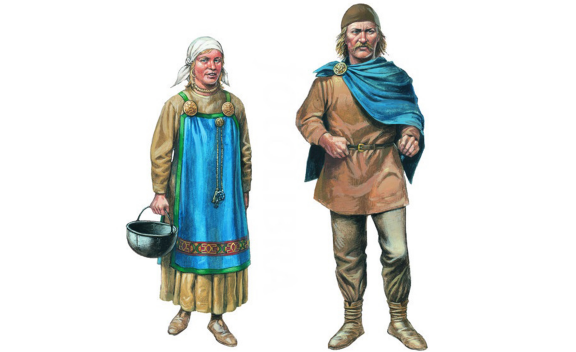
Viking gender roles The Vikings did not adhere to contemporary notions of gender equality and personal freedom. Their society generally accorded men a higher social status than women, and an individual's value was largely determined by how well they conformed to their gender's expected societal...
view 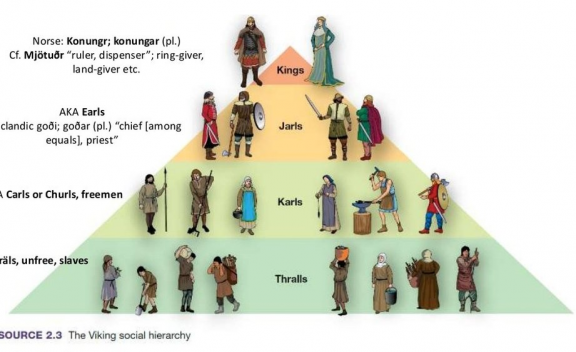
04.02.2020
The viking social structure The Viking social structure consisted of three primary social classes: earls, free individuals (including both men and women), and slaves. At the highest level of the social hierarchy were the earls (known as "jarlar" in Old Norse, with "jarl" being the singular...
view 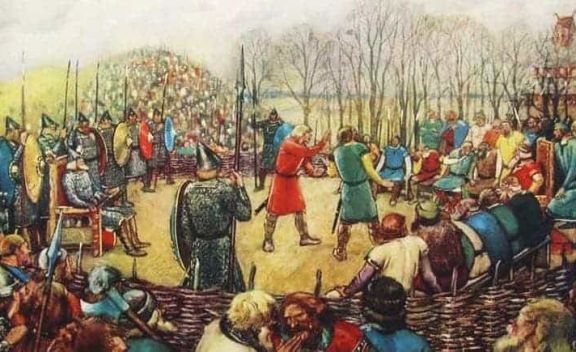
03.02.2020
Norse legal assemblies The political landscape of the Viking Age encompassed not only the personal power embodied by chieftains and kings but also the role of legal assemblies known as "þing" in Old Norse, pronounced similarly to the modern English word "thing." These assemblies...
view 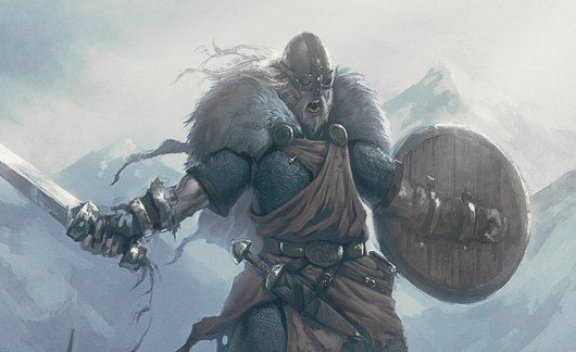
03.02.2020
The rise of kings Medieval European chroniclers observed with fear and frustration the ever-expanding fleets of Vikings raiding their shores. What they may not have fully realized was that this phenomenon marked the consolidation of political power in the hands of fewer and more successful Norse...
view 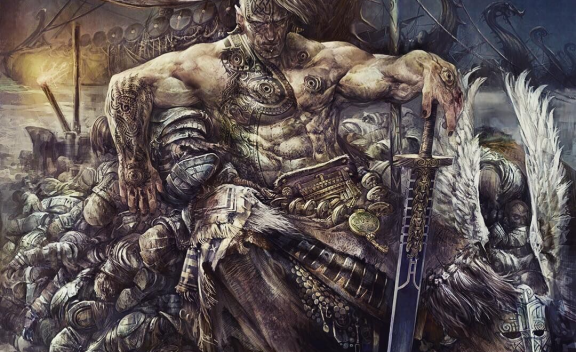
03.02.2020
Viking political institutions Throughout much of the Viking Age, political power in Norse society was primarily concentrated in the hands of chieftains, who were essentially warlords ruling over relatively small groups of people. These chieftains led bands of raiding warriors, whose exploits across Europe defined...
view 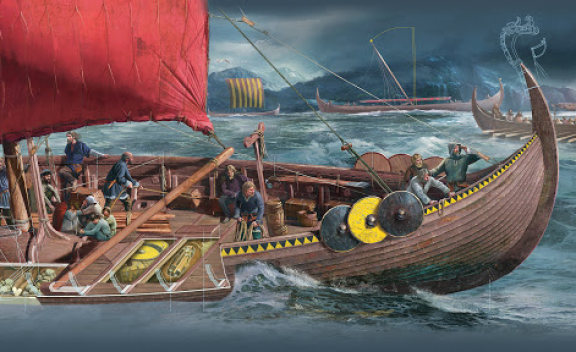
03.02.2020
Other kinds of viking ships and boat When the Vikings embarked on river journeys for trade and raiding expeditions, they utilized a variety of boats tailored to different stages of the river's characteristics. Their longships were lightweight and versatile enough to be rowed upstream for considerable distances....
view 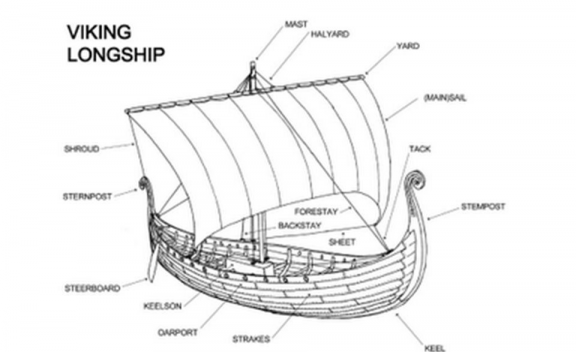
03.02.2020
How Viking ships were made The construction of a longship was a monumental undertaking that demanded tens of thousands of hours of labor when considering all the various aspects of the process. This extensive project encompassed activities such as cutting and transporting wood to the construction site, building...
view 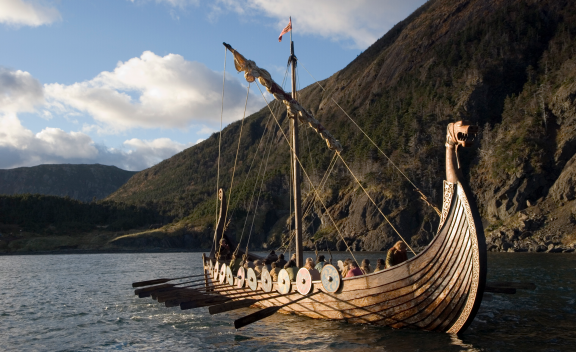
01.02.2020
Viking ships Even before the Viking Age, ships played an essential role in the lifestyle of the Scandinavians. Their homeland's abundant waterways, extensive coastline, and geographical separation from the rest of the Eurasian continent meant that sea travel was a necessity for long-distance...
view 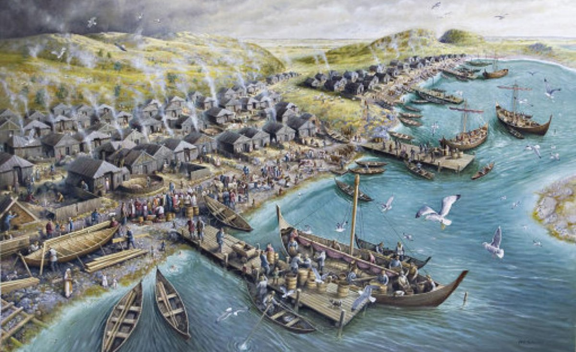
01.02.2020
Viking trade and commerce One of the most remarkable aspects of the Viking Age was the extensive trade network established by the Norse, spanning from Greenland in the west to Baghdad and central Asia in the east, connecting various peoples in between. During the Viking Age, much like in preceding eras, the...
view 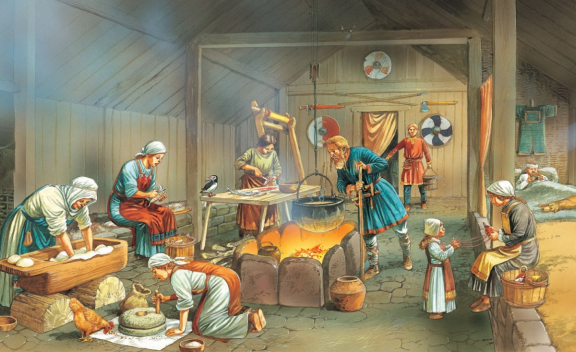
01.02.2020
Ordinary viking life During the Viking Age, the daily lives of most men and women primarily revolved around basic farmwork to sustain their livelihoods. The majority of people resided in rural farmsteads where most of the necessities were produced locally. Work on these farmsteads was divided along...
view